
You started well. The weights went up, the runs got easier, the clothes fitted differently. Then, somewhere along the way, everything stalled.
The same weights. The same times. The same reflection in the mirror, month after month.
First, the good news: a plateau is normal, and it's almost always fixable. In most cases it comes down to one or more of five things. Work through them in order, because the earlier ones tend to matter most.
1. Are you training hard enough?
This is the uncomfortable one, so we'll start here.
A lot of people think they're training hard. In reality, they're getting by: comfortable sets, plenty of chat between exercises, and a session that feels like effort but doesn't ask much of the body. Turning up to the gym isn't enough. Working hard is what produces change.
The research on effort backs this up. A meta-regression of how close to failure people train found that muscle growth tends to increase the closer sets are taken to failure, with the best results from stopping roughly zero to a few reps short (summary of the Robinson et al. meta-regression). The same analysis found that strength gains depend less on how close to failure you go and more on the load you lift.
In plain English: if every set finishes with plenty left in the tank, you're probably leaving results on the table.
How do you check? For conditioning and cardio work, a heart rate monitor gives you honest, objective feedback. It shows whether you're actually spending time in the harder zones or drifting along in the comfortable ones. For strength work, heart rate is less useful, so ask yourself a simple question at the end of every set: how many more reps could I have done with good technique? If the honest answer is "five or more" on most sets, it's time to push harder.
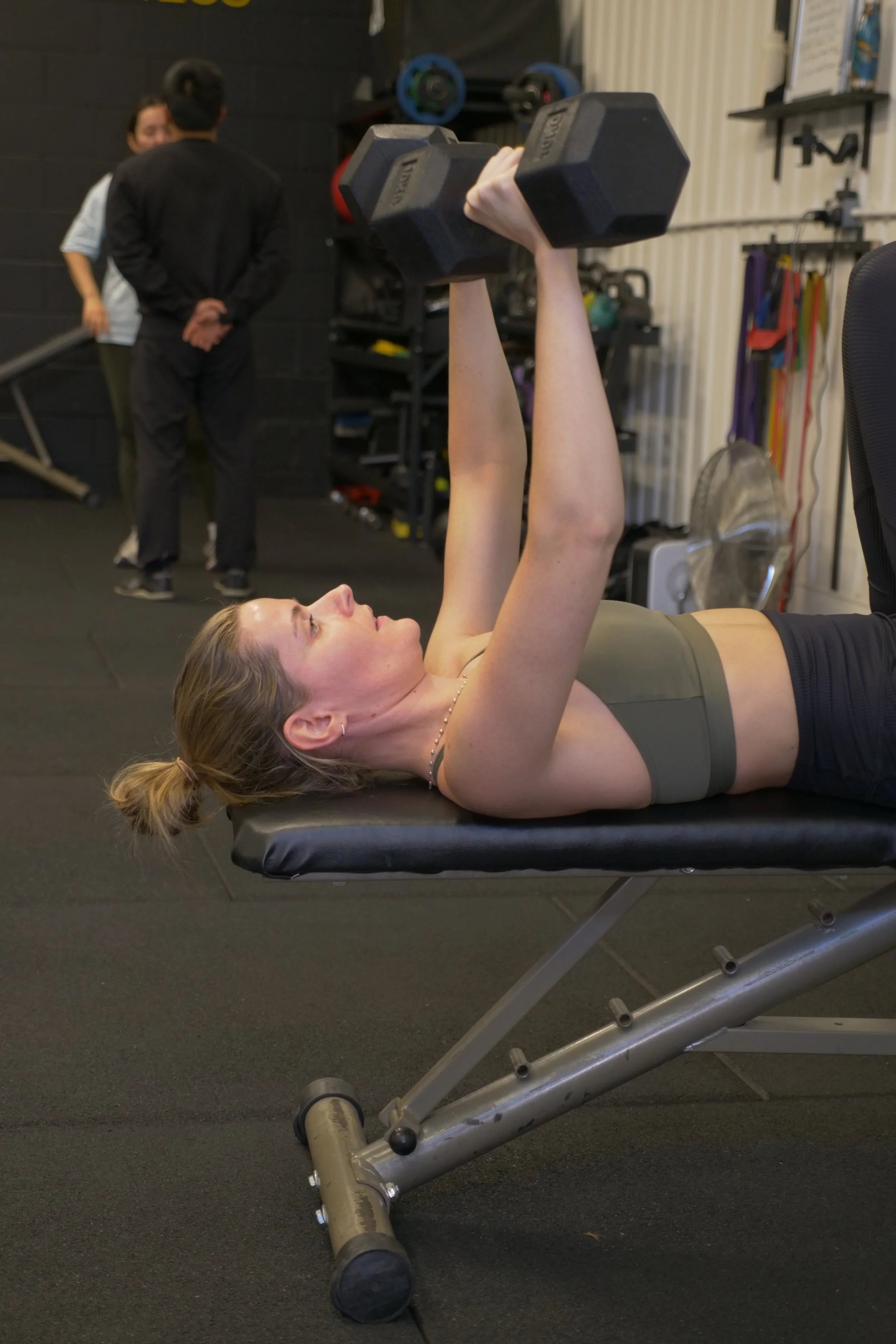
It also helps to have someone watching. A meta-analysis of supervised versus unsupervised resistance training found a moderate benefit of supervision for strength, which the authors suggest may come from better effort and technique. A good coach will tell you when to add weight and when your "last rep" wasn't really your last.
2. Are you sleeping enough?
If you're genuinely training hard, the next place to look is recovery, and the biggest part of recovery is sleep.
A systematic review and meta-analysis of acute sleep loss and physical performance found that sleeping six hours or fewer was associated with poorer exercise performance. The effect on maximal strength was fairly small, at around 3% on average, but performance on repeated efforts and strength endurance fell by nearer 10%. That's the sort of work that makes up most hard training sessions.
Add in the lower energy and motivation that follow a poor night, and it's easy to see how a few weeks of short sleep can leave you flat in the gym.
If you're regularly getting six hours or fewer, fixing this could do more for your training than any new exercise. Practical starting points are a consistent bedtime and wake-up time, keeping caffeine to earlier in the day, and cutting screens in the last hour before bed. If you can't avoid a short night, the same review suggests morning training holds up better than evening training.
3. Has your body adapted?
Your body is excellent at getting used to things. Do the same workout, with the same weights, in the same order, for long enough, and the stimulus that once forced it to change becomes routine.
As a rule of thumb at AdMac Fitness, if you haven't changed anything meaningful in your programme for 12 weeks or more, it's worth reviewing it. That's a coaching guideline rather than a scientific rule, but it's a useful prompt to look at what's changed in your training and what hasn't.
The key word is meaningful. The foundation of continued progress is progressive overload, the gradual increase in the demands you place on the body. This is the central principle in the American College of Sports Medicine's position on resistance training progression (see this summary of the ACSM position stand). That might mean more weight, more reps, more sets, a tougher variation or shorter rests.
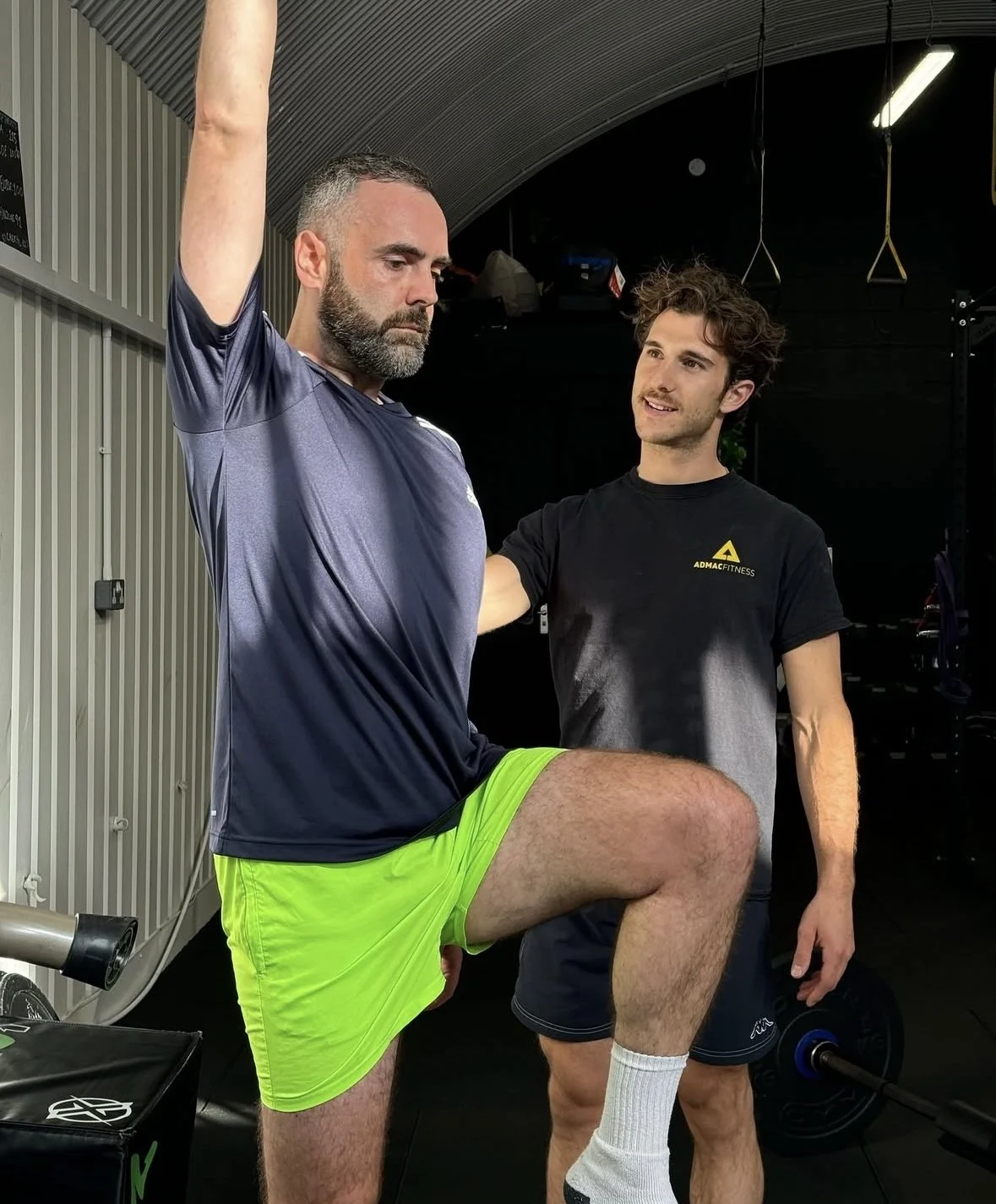
Variety can help too, but it needs to be planned. A systematic review of exercise variation concluded that some systematic variation seemed to enhance muscle growth and strength, whereas excessive, random variation could hold back gains. So "change something" doesn't mean "do something completely different every session". It means progress deliberately: keep what's working, and change one or two things at a time.
4. Are you fuelling your training properly?
You can't expect to give a session everything on too little food, or on the wrong balance of food.
Two things matter most:
Protein. A meta-analysis of 49 randomised controlled trials found that protein supplementation enhanced gains in muscle size and strength during resistance training. Gains levelled off at total intakes of around 1.6 grams of protein per kilogram of body weight per day. If you're well below that, it's worth looking at.
Carbohydrate and overall energy. A review of carbohydrate availability and physical performance notes that high carbohydrate availability is positively related to resistance-training adaptations, and that it matters most for high-intensity sessions. If you're training hard on very little food, particularly if you're dieting at the same time, your sessions are likely to suffer.
Check three things. Are you eating enough overall to support the training you're doing? Is each meal built around a decent portion of protein? And are you eating something sensible before and after your hardest sessions? Quality matters too, so aim for mostly whole, minimally processed foods, with room for the occasional treat.
If you're trying to lose body fat as well, the answer isn't to eat as little as possible. A moderate deficit that leaves you able to train hard will beat a severe one that leaves you tired and flat.
5. Are you hydrated?
This is the simplest fix on the list, and one of the most commonly ignored.
Dehydration can hurt performance, though the picture is a little more nuanced than the headline numbers you may have seen online. A meta-analysis of studies where people started exercise already dehydrated found that aerobic performance was impaired by around 2.4% on average, with body mass losses averaging 3.6%. Reviews of the evidence suggest that when people are dehydrated before they begin, effects can show up at body mass losses of just 1 to 2%. In real-world exercise, where people can drink during the session, performance is less affected until fluid losses get larger (see this review of hydration and exercise performance).
The practical lesson is simple: start your sessions hydrated. Drink regularly through the day rather than trying to catch up an hour before you train, keep a bottle with you during sessions, and watch for signs such as dark urine, headaches or unusual tiredness. Little and often beats a big drink at the last minute.
Putting it into practice
Work through the list in order:
Effort: Are your hardest sets really hard? Track heart rate for conditioning, and reps in reserve for strength.
Sleep: Are you regularly getting six hours or fewer?
Adaptation: Have you made any meaningful progression in the last 12 weeks?
Fuel: Are you getting enough protein, carbohydrate and total energy?
Hydration: Are you arriving at sessions properly hydrated?
Most people find the answer in the first two or three. And once you've fixed the biggest one, progress often starts again surprisingly quickly.
Need some help?
Working out what's holding you back isn't always easy to do on your own, which is where a good coach comes in. If you'd like help finding your plateau-breaker, speak to the team at AdMac Fitness. Whether it's tightening up your programming, pushing you harder in sessions, or helping you get your nutrition in order, we'll work out what's missing and build a plan around your life.
About AdMac Fitness
AdMac Fitness has been helping the people of East London transform their health and fitness for nearly a decade.
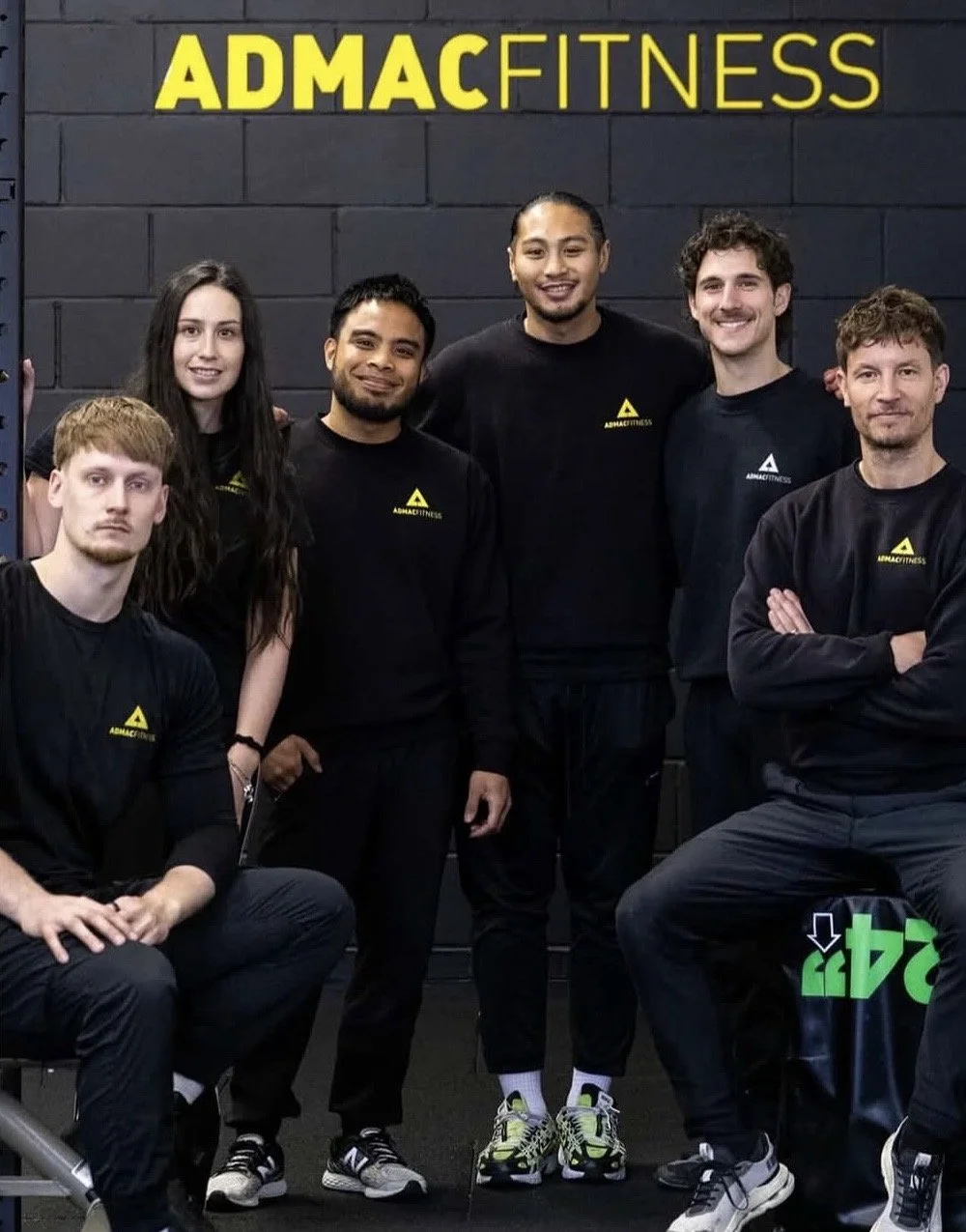
We help people using tried and tested fitness approaches. Our expert team of personal trainers, based in both Bow and South Woodford, can help you get a grip on your health forever. With our guidance and experience, you can relax knowing that your fitness journey is going to be guided by some of the best personal trainers in East London.
For more information on who we are, what we do and how we can help you achieve your health and fitness goals, contact us on 07921465108 or email us at admacfitness@gmail.com. We look forward to hearing from you!
Our locations are…
AdMac Fitness: Arch 457 Robeson St, London E3 4JA.
AdMac Fitness South Woodford: Unit 4 Marlborough Business Centre, 96 George Lane, South Woodford, London, E18 1AD.