
Stretching is one of those fitness topics that seems simple — yet gets endlessly debated. Some people treat stretching like an essential part of every workout, while others dismiss it as overrated.
So what does the science actually say? A recent consensus paper published in the Journal of Sport and Health Science reviewed the evidence and summarised what stretching actually does — and doesn’t — do for your body.
Let’s break it down in real-world terms: when stretching fits the goal, it can be useful — but you shouldn’t expect it to magically prevent every injury or dramatically accelerate recovery. Here’s how to think about it.

What Stretching Actually Does
According to the consensus research, stretching — whether acute (a single session) or chronic (regular over weeks) — reliably:
Improves range of motion (flexibility) both in the short and long term
Reduces muscle stiffness after stretching, although that isn’t always inherently positive for performance
May support vascular (blood vessel) health, though the evidence is still emerging
However, the same research points out that stretching:
Isn’t a strong strategy for overall injury prevention, especially compared to strength training or movement preparation
Doesn’t reliably improve posture on its own
Doesn’t meaningfully speed up recovery right after a workout
Is less effective than resistance training for muscle growth
So stretching isn’t useless — it’s just not a cure-all. Like any tool in your fitness toolbox, it works best with a clear purpose.
When Stretching Helps You Most
Mobility & Flexibility
Stretching regularly helps you move through a fuller range of motion. That can make everyday movements easier, reduce muscle tightness and help you squat, hinge and hinge better under load. Greater joint mobility also makes it easier to train well — which, in turn, reduces risk when lifting weights or running.
Reducing Muscle Stiffness
Stretching can help reduce muscle tension after long periods of sitting or repetitive movement. This doesn’t automatically prevent injury, but it may make you feel freer and more comfortable moving.
Blood Flow and Comfort
There’s some evidence that stretching may modestly improve blood flow and help muscles feel more relaxed, which can support general recovery and tissue health — even if it’s not a post-workout magic bullet.
When Stretching Isn’t the Priority
Stretching isn’t the most effective solution for:
Preventing all types of injuries
Improving strength or muscle mass
Dramatically boosting athletic performance on its own
If those are your main goals, strength training and proper movement prep are far more impactful. Stretching still has its place, but it shouldn’t replace mobility drills, lifting technique work or progressive resistance training.

How to Stretch Smart (Not Hard)
Here are practical ways to use stretching without over- or under-doing it:
Time It Right
Stretch when your muscles are warm — after a workout or a 5–10 minute general warm-up. Cold stretching (before warming up) can increase the risk of overstretching.
Focus on Key Areas
Prioritise areas that tend to get tight from your lifestyle and training: hips, calves, hamstrings, chest and lower back.
Keep It Gentle
Stretch enough to feel a mild tension — not pain. Hold each stretch for about 10–30 seconds and repeat 2–4 times where needed.
Be Consistent
Flexibility improvements take time. A few minutes several times per week will bring better results than a long, infrequent session.
Stretching vs Mobility vs Warm-Ups
It’s useful to separate a few concepts that often get lumped together:
Static stretching: Holding a muscle in a lengthened position — great for flexibility after exercise
Dynamic mobility work: Controlled movement through ranges of motion — excellent for warm-ups and prepping the body to move
Warm-up movement: Light activity (e.g., walking, cycling) — increases blood flow before training
Each has its place — but they serve different goals. A dynamic warm-up and mobility sequence is usually more effective before training than long static stretches.
Bottom Line: Stretching Is Helpful — in Context
Stretching isn’t a fitness myth — but it isn’t a cure-all either. It’s a tool that:
Improves flexibility and range of motion
Helps reduce stiffness and improve comfort
May support blood flow and tissue health
…but it shouldn’t replace strength training or proper warm-ups, and it isn’t a guaranteed injury shield. The key is to fit it into your routine thoughtfully based on your goals, lifestyle and movement needs — and to be consistent without over-doing it.
Want to improve your health and fitness? Let the AdMac Fitness Personal Trainers help…
AdMac Fitness has been helping the people of East London transform their health and fitness for nearly a decade.
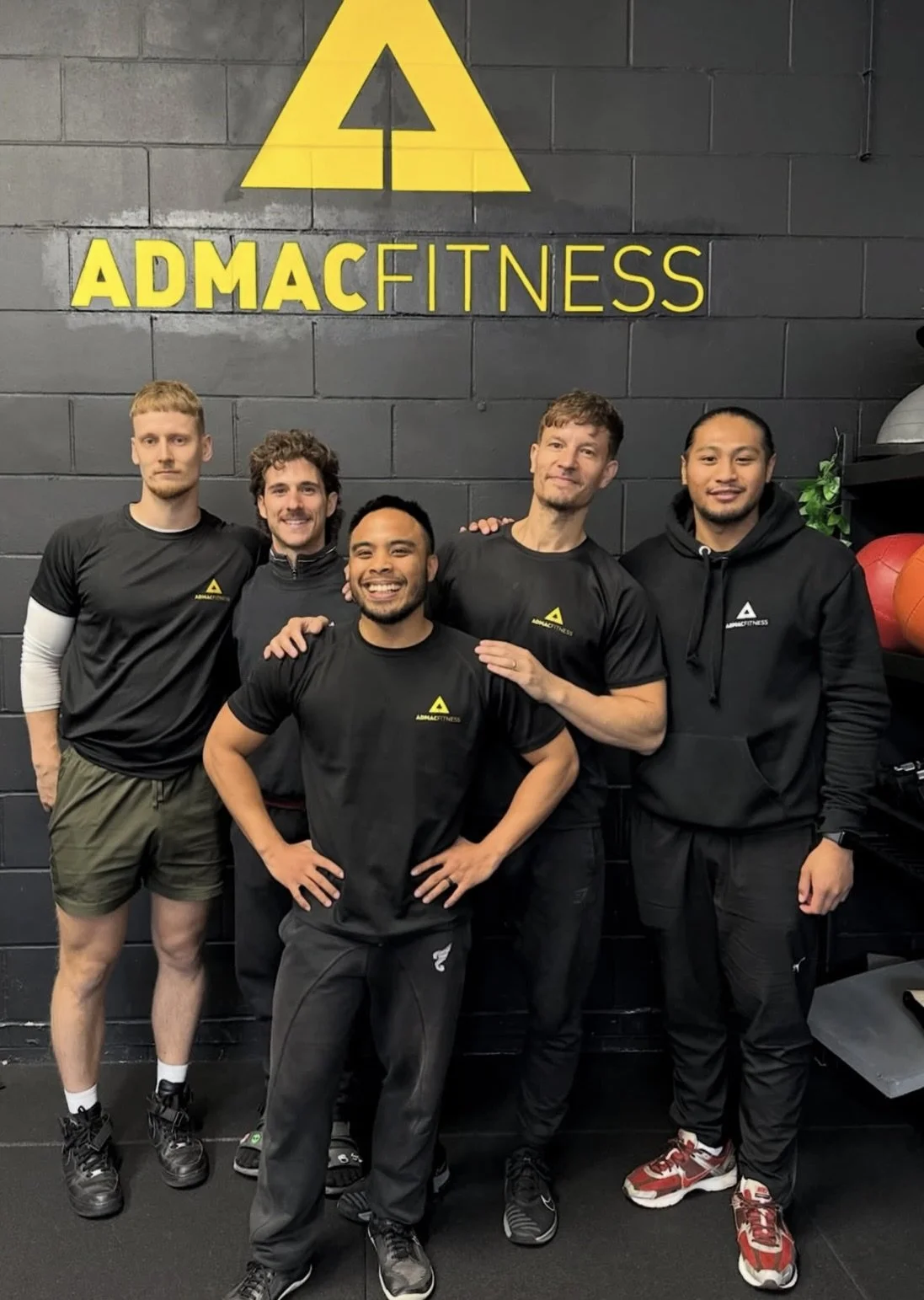
We help people using tried and tested fitness approaches. Our expert team of personal trainers, based in both Bow and South Woodford can help you get a grip of your health forever. With our guidance and experience, you can relax knowing that your fitness journey is going to be guided by some of the best personal trainers in East London.
For more information on who we are, what we do and how we can help you achieve your health and fitness goals, contact us on… 07921465108 or email us at admacfitness@gmail.com. We look forward to hearing from you!
Our locations are…
AdMac Fitness: Arch 457 Robeson St, London E3 4JA
AdMac Fitness South Woodford: Unit 4 Marlborough Business Centre, 96 George Lane, South Woodford, London, E18 1AD