
There are a lot of ways to exercise. You can wander into a gym and pick things up, follow a random YouTube workout, drop into a different fitness class every week, or you can train with purpose under professional guidance. All of them count as exercise — but not all of them deliver the same results.
And when it comes to building genuine, measurable strength, the difference matters more than most people realise.
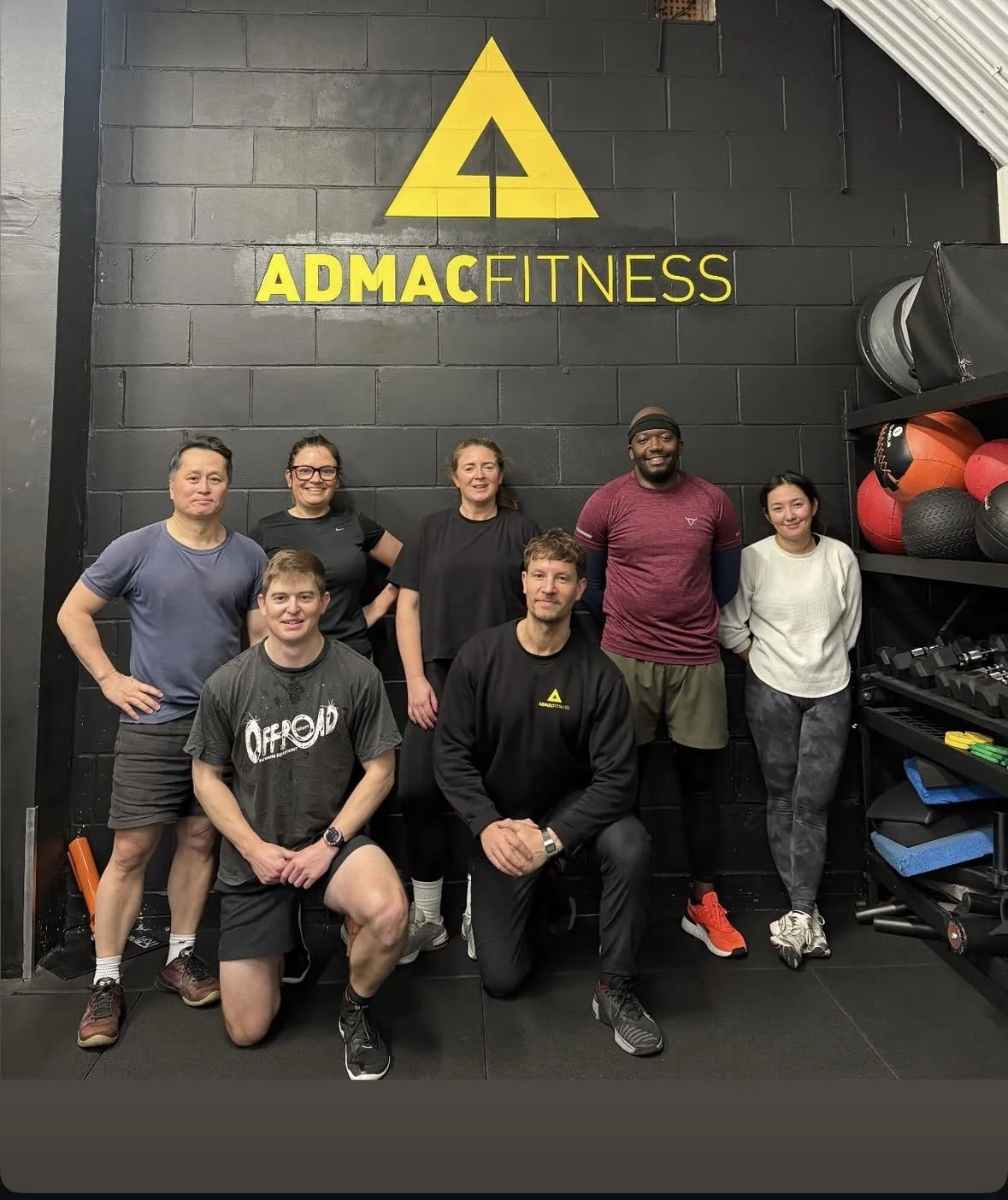
What Actually Happens When You Train Alone
Here's the uncomfortable truth about solo, unstructured training: for most people, it defaults to comfortable rather than effective.
When there's no programme, no coach, and no accountability, workouts tend to drift towards exercises you enjoy rather than exercises you need. You'll bench press but skip Romanian deadlifts. You'll do curls but avoid anything that demands real effort. Over time, you end up with a collection of habits that feel like training but aren't really taking you anywhere.
This isn't just an observation — it's backed up by research. A study published in BMC Public Health found that participants in supervised, structured resistance training programmes showed significantly greater improvements in strength and body composition compared to those using free, unstructured gym access over 48 weeks — even when both groups had access to the same facilities (Harridge et al., 2018). The structure and supervision were the difference-makers.
Without a programme, you're also far more likely to quit. Research consistently shows that adherence rates in supervised group training environments are significantly higher than solo training — some studies reporting adherence as high as 76–81% in group settings compared to typical drop-off rates in unsupervised exercise.
Why "Doing Classes" Isn't the Same as Training for Strength
Fitness classes aren't inherently bad — but hopping between random sessions isn't the same as following a structured strength programme. If you're doing a spin class on Monday, a yoga session on Wednesday, and a HIIT class on Friday, you might be active, but you're unlikely to get significantly stronger.
Strength development requires something specific: progressive overload. This is the principle that your body adapts to the demands placed on it, and to keep getting stronger, those demands have to increase systematically over time. It's one of the most well-established principles in exercise science — and it simply doesn't happen by accident.
Research consistently supports this. A study examining the effects of structured, progressive training found that significant strength gains were measurable within just four weeks of following a properly periodised programme (Bordoni et al., 2023). The key word is structured — the results came from planned progression, not randomness.
Periodisation — the practice of organising training into phases with specific goals — is a cornerstone of professional strength programming. A systematic review published in 2025 confirmed that periodised resistance training approaches consistently outperform ad-hoc or non-periodised training for strength adaptation (Health, Sport, Rehabilitation, 2025). Simply put, if your training isn't planned, your progress is largely left to chance.
What Our AdMac Small Group Training Sessions Do Differently
At AdMac Fitness, our Small Group Training sessions aren't a random mix of exercises thrown together just to make you sweat. They're professionally designed and coached with one purpose in mind: to make you genuinely, measurably stronger.
Here's what that looks like in practice.
You Track Everything
Members are taught to record their lifts and monitor their progress from the very first session. This isn't just admin — it's one of the most powerful tools in strength training. When you can see that you pressed 40kg in week one and 55kg in week eight, you know you're stronger. There's no guessing, no vague feeling that you might be improving. The numbers tell the story.
We Run Structured Strength Blocks Throughout the Year
We run dedicated strength programmes across the year, built around specific goals and specific timeframes. Right now, we're in a 12-week training block focused on the bench press and sumo deadlift — two highly effective, functional movements that build real upper and lower body strength.

Why these two? Because they're not just gym exercises — they're movements that transfer to everyday life and athletic performance. The bench press develops pressing strength across the chest, shoulders, and triceps. The sumo deadlift develops full posterior chain strength, from the glutes and hamstrings through to the lower back and grip. Together, they create a well-rounded strength foundation.
There's a Clear Progression Model
We don't just hand someone a barbell and hope for the best. Our progression model moves from dumbbells to kettlebells to the barbell, allowing members to develop strength, coordination, and confidence at each stage before advancing to the next.
This mirrors what the research tells us about exercise variation and progression. Studies have shown that moving through structured exercise progressions — rather than sticking rigidly to one movement or jumping randomly between exercises — leads to superior strength outcomes over time. You build a foundation, and then you build on it.
Technique Is Coached and Supported
Every member receives detailed coaching in each session. We also send out technique videos so you can review your form between sessions. This matters enormously — not just for safety, but for results.
Poor technique doesn't just risk injury; it limits how effectively your muscles are working during a lift, meaning you're leaving gains on the table. Research comparing supervised training with self-guided training has found that in-person coaching leads to better technique, higher training intensities, and fewer injuries (PMC, 2025). One study found that supervised training groups sustained dramatically fewer injuries than partner or solo training groups — 60 compared to 167 and 188, respectively (Lu et al., via Evidence Based Muscle, 2025).
When someone who knows what they're doing is watching your lift, everything improves.
The Group Environment Amplifies Everything
Training in a well-structured small group setting isn't just about having a coach present — the environment itself drives better performance.
Research published in The Journal of the American Osteopathic Association found that group exercisers saw improvements across multiple measures of wellbeing — including a significant drop in stress levels — compared to solo exercisers who spent more time training but saw fewer benefits (Ortho Sports Med, 2016). The group dynamic creates accountability, energy, and consistency that's very difficult to replicate when you're training alone.
There's also something to be said for training alongside people who are working towards the same goals. When you see a training partner add weight to the bar, it pushes you to do the same. When someone in the group hits a personal best, the standard rises for everyone.
Our small group format is designed specifically to harness this — keeping sessions intimate enough that everyone gets proper coaching, while creating the kind of community and shared purpose that keeps people turning up week after week.
The Bottom Line
Random exercise is better than no exercise. But if your goal is to build real, meaningful strength — to genuinely move more weight, feel more capable, and see provable improvements in your performance — then random exercise isn't enough.
You need a programme. You need progression. You need coaching. And you need accountability.
That's exactly what our AdMac Small Group Training sessions are built around. No guesswork, no wasted effort, and no wondering whether you're actually getting anywhere. Just consistent, well-structured training that delivers results — because it's designed to.
Want to improve your health and fitness? Let the AdMac Fitness Personal Trainers help…
AdMac Fitness has been helping the people of East London transform their health and fitness for nearly a decade.
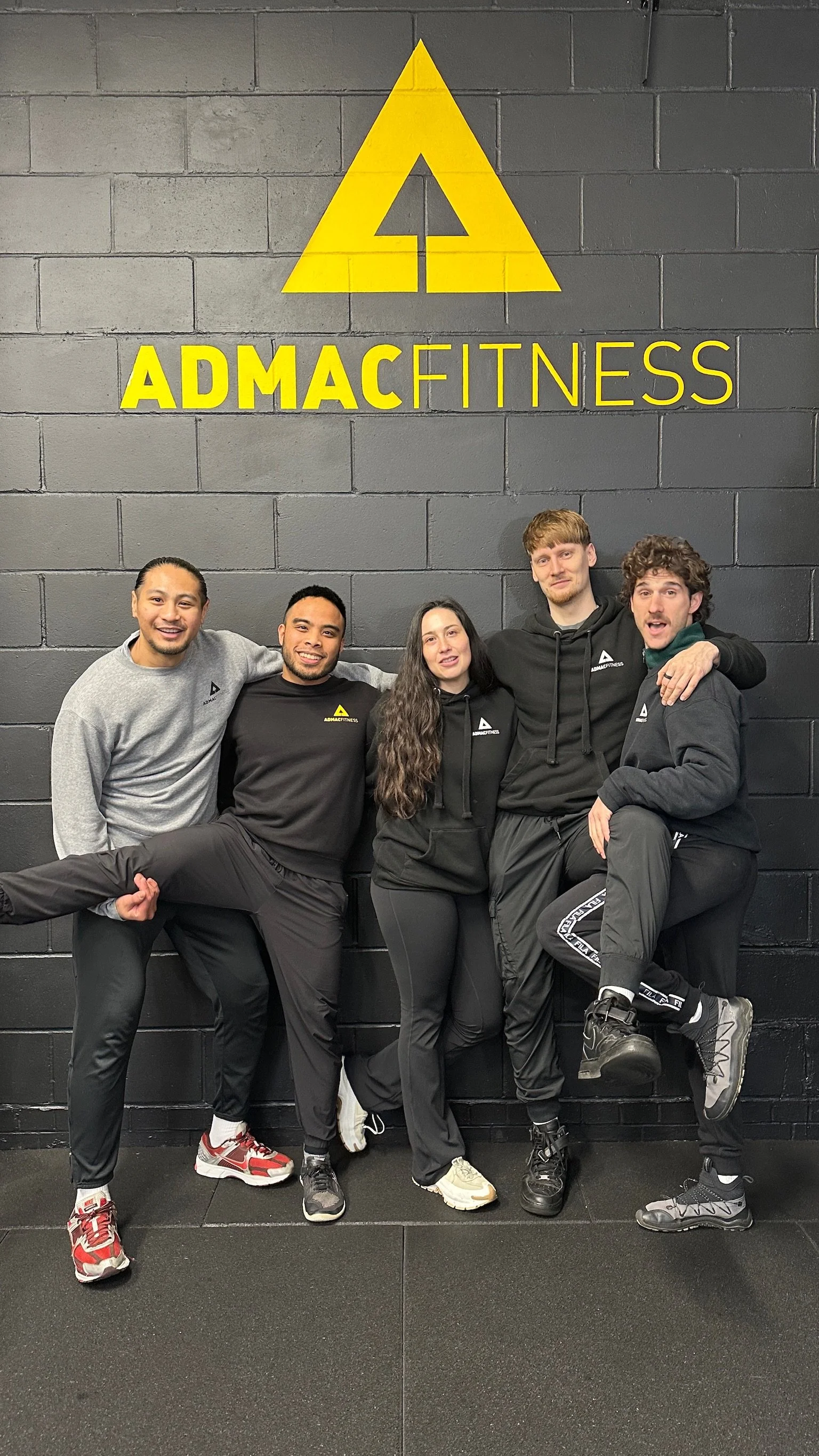
We help people using tried and tested fitness approaches. Our expert team of personal trainers, based in both Bow and South Woodford, can help you get a grip of your health forever. With our guidance and experience, you can relax knowing that your fitness journey is going to be guided by some of the best personal trainers in East London.
For more information on who we are, what we do and how we can help you achieve your health and fitness goals, contact us on… 07921465108 or email us at admacfitness@gmail.com. We look forward to hearing from you!
Our locations are…
AdMac Fitness: Arch 457 Robeson St, London E3 4JA
AdMac Fitness South Woodford: Unit 4 Marlborough Business Centre, 96 George Lane, South Woodford, London, E18 1AD