
It’s time we had a grown-up conversation about GLP-1 medications. Rather than endlessly criticise or debate whether they’re good, bad or indifferent, we just need to accept they’re here and do our best to inform about best practice.
Here’s an evidence-based look at the medications themselves, how they work, the impact they have on our ability to train, and how we should exercise whilst on them, and why.
What are GLP-1 Medications?
GLP-1 receptor agonists are medications that are associated with weight loss and blood sugar control. They work by mimicking glucagon-like peptide-1 (GLP-1), which is a natural gut hormone.
The GLP-1 hormone works to lower blood sugar, slow digestion, and reduce appetite. All of these contribute to weight loss and reducing food cravings.

How GLP-1 Medications Work
When you take one of these medications, such as Ozempic, Wegovy etc., within minutes they’ll get to work on controlling blood sugar and appetite.
They’ll signal to the pancreas that your blood sugar is high, stimulating the release of insulin to bring this under control quickly.
The medication will also slow down the transit of food through the digestive system. This will keep you feeling fuller for longer, and remove the feeling of needing to eat again shortly after a meal. In particular, this slowing of the gastric emptying process physically controls appetite.
The third major way they work is to control appetite. They downregulate hunger hormones, telling your body it doesn’t need to eat. This reduction of ‘food noise’ makes it easier to avoid thinking about food and the need to eat more than necessary.
Some patients even report being ‘put off’ food, removing the pleasure gained from eating.
Benefits
The obvious benefits are weight loss and the ability to control appetite.
For many people who have struggled with this, either through chemical means or a lack of discipline, it’s a huge relief. It removes the lead domino, and the results are reduced appetite, weight loss and blood sugar control.
Further down the line, the benefits are lower blood pressure, reduced cardiovascular strain, reduced musculoskeletal stress and improved energy levels.
Side Effects
As with any medications, there are important side effects to discuss. GLP-1 medications aren’t a magic elixir, and in the wrong dose or used by the wrong patient, they’re very dangerous.
There are dozens of side effects that have been linked to the products, and in all fairness, this isn’t any different to almost every single medication available. For a comprehensive look at the side effects, you can see this article from Science Daily.
But as personal trainers, our primary interest is in how taking GLP-1s impacts our fitness, musculoskeletal system, and ability to exercise.
So, even in participants who manage to avoid gastrointestinal issues, blood-based concerns, dizziness, nausea, etc., there are several side effects we need to discuss. These issues can have a serious knock-on effect across other areas of our health and wellbeing…
Muscle Atrophy
Two main elements need to be present to maintain muscle mass - mechanical stress and adequate nutrition. When people take GLP-1 medications, they dramatically reduce their calorie intake, leading to muscle loss.
Additionally, reduced food intake can lead to reduced energy, meaning people are less likely to exercise. This is a double-whammy for muscle, and several studies have linked GLP-1 medications with muscle atrophy.
A paper titled ‘Muscle loss and GLP-1R agonists use’ was published in 2025, and the researchers concluded…
‘While highly effective for weight loss and cardiometabolic protection, GLP-1RAs may contribute to lean mass reduction…’
Anyone working with people taking GLP-1s, or the patients themselves, needs to be acutely aware of this issue, and take steps to reduce the impact on their muscle mass. Not only for protective elements, but to help reduce future weight gain.
Musculoskeletal Injuries
The downstream impact of muscle atrophy is the impact on joint health and stability.
Rachel Nicholls, a senior Occupational Health Physiotherapist at Synergy Health, has noticed this trend in her clinics. She said…
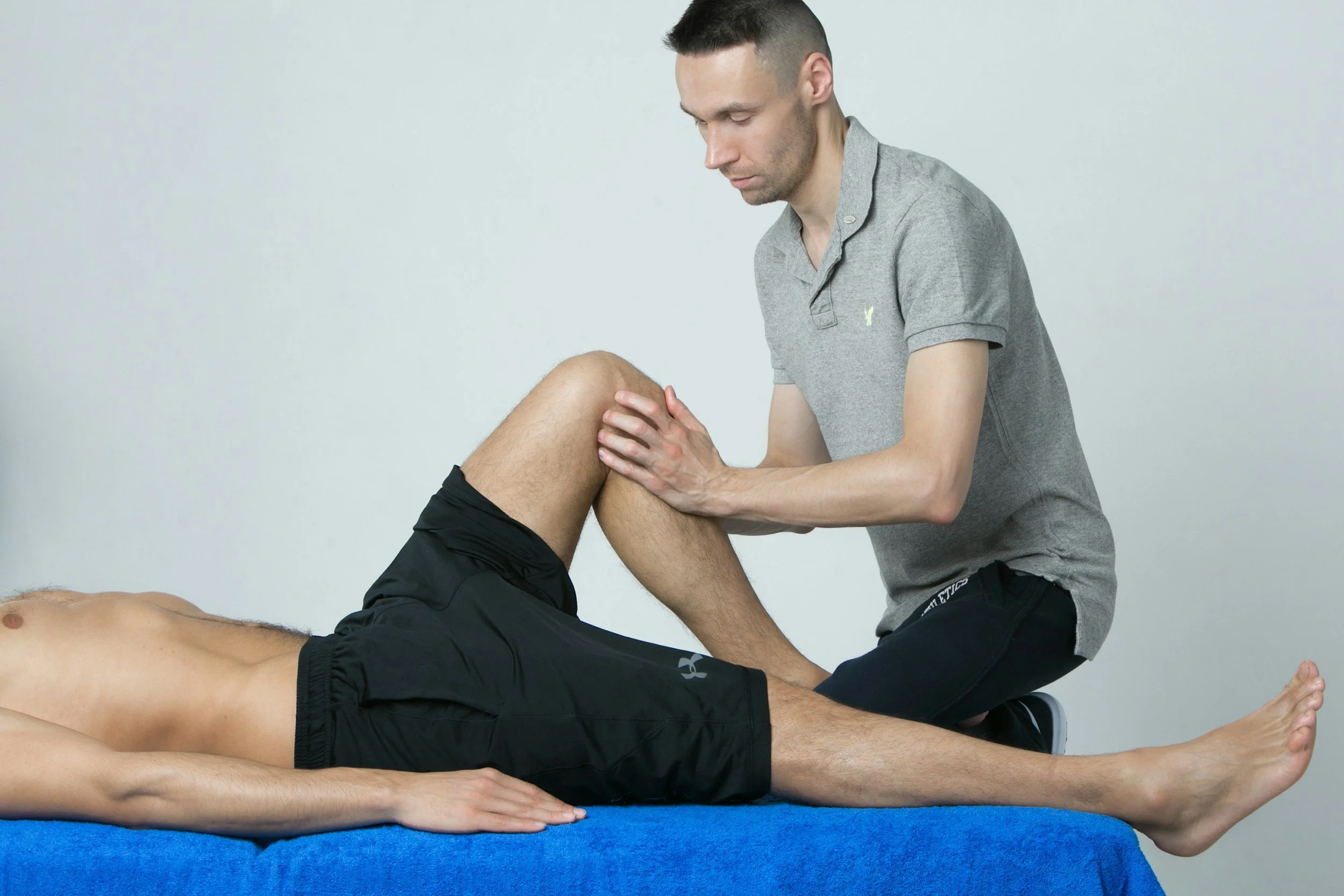
“Over the last 12 months or so I’ve treated several patients presenting with anterior knee pain, without an obvious cause. Further investigation has shown that rapid weight loss due to GLP-1 medications has caused significant muscle loss, leading to joint instability and pain.
It’s easily treatable, but it shows the need to balance the medication with a sensible exercise plan.”
This is further evidence, albeit anecdotal, of the increased importance of resistance training during GLP-1 use. Without adequate resistance training, a GLP-1 patient could simply be swapping one set of problems for another.
Impact on Exercise Habits
The truth is that many people on the medications aren’t looking for a health improvement - their motivation is purely aesthetic. If they can rely on the medication to help them lose weight, the motivation to exercise is reduced.
That’s not an opinion; it’s backed up by research.
A study using data from the National Institutes of Health’s All of Us Research Program looked at 753 people who were on GLP-1s and had enough wearable-device data for analysis. The reported data shows…
Researchers compared each person's physical activity before and after starting treatment, focusing on daily step counts and moderate-to-vigorous physical activity (MVPA) minutes.
On average, daily steps decreased from 5,047 to 4,487 steps per day, and MVPA minutes fell from 28 to 22 per day after beginning a GLP-1 receptor agonist medication. The largest declines were seen in men and in people with joint or muscle pain, while factors such as age, heart failure or prior stroke did not change the results.
The study found no evidence that weight loss from these medications led to increased physical activity.
It’s as if the medication became a substitute for activity, rather than an accessory. What’s concerning here is that as Rachel Nicholls suggested earlier, exercise takes on even greater importance when taking these medications.
Bone Density
Whilst there’s no smoking gun linking GLP-1 use with loss of bone density, there’s a plausible mechanism for them impacting bone health.
A sudden dramatic reduction in nutritional intake is a problem for bone health, and when you couple that with reduced exercise, there’s a pathway to injuries. There’s also some support in the research showing that bone health is potentially compromised during GLP-1 use.
The 2025 study titled ‘Effects of Glucagon-Like Peptide-1 receptor agonists on bone health in people living with obesity’ found…
‘GLP-1Ra causes modest BMD reduction and enhances bone remodelling, favouring resorption similar to the effects of calorie restriction…’
We have to be careful to mitigate the fracture risk during treatment, and that looks like a progressive resistance training plan. Without an appropriate strength training protocol, people taking GLP-1s are risking serious harm to the musculoskeletal system.
Safe Use of GLP-1 Medications
It’s important to ensure that if you are using GLP-1 medications, you do so only under the supervision of a medical professional.
There’s no guarantee of safety with any medication, and the GLP-1 family of medications has been implicated in over 150,000 cases of adverse effects in the UK alone. According to some data, they have been linked to over 200 deaths (at the time of writing).
More information on this can be found here.
Even more concerningly, the cost of GLP-1 medications (which can run into the hundreds per month) has made many people seek black market or off-prescription alternatives.
These unlicensed and unregulated drugs could be responsible for even more side effects.
Prescription of the medications by a doctor isn’t risk-free, so please don’t think that buying these products online you’ll be doing yourself any good. First off, you don’t know what you’re buying. Secondly, you might not understand dosages, and risk causing yourself harm or even death.
Removal of the Medications - What Happens When You Stop?
The aim isn’t to be on medication for life. The aim should be to use them to get yourself in a better position, then come off them in better health than when you started.
But what does the research show?
A study published in the British Medical Journal titled ‘Weight regain after cessation of medication for weight management: systematic review and meta-analysis’ looked at the rate of weight regain after cessation of weight management medications (WMMs) in adults who were overweight or obese.
The researchers concluded…
‘This review found that cessation of WMM is followed by rapid weight regain and reversal of beneficial effects on cardiometabolic markers. Regain after WMM was faster than after BWMP (behavioural weight management programmes). These findings suggest caution in short term use of these drugs without a more comprehensive approach to weight management.’
The results show a propensity for people taking the medications to rely on them, rather than change their behaviours around food and exercise. When the crutch is removed, most users revert to previous behaviours and regain all of the weight.
Weight management behaviour training does seem to help, if only in a small way.
Training During Treatment
If it wasn’t clear already, the most important tool we have to maintain physical condition during GLP-1 use is resistance training.
The dramatic reduction in calories, coupled with a propensity for people on the medication to move less, is causing a range of issues in patients. A reliance on the drugs to control appetite and do most of the weight loss work is missing the point of exercise.
We don’t primarily exercise to burn calories - we do it to maintain muscle mass, bone health and connective tissue health. The weight loss element of a fitness journey is done nutritionally.
As we’ve seen from the research discussed in the article so far, a lack of resistance exercise is causing a wide range of problems in patients. Problems that, for the most part, have an easy fix. You just need to do the work.
GLP-1 Medications: Only Part of the Solution
The important message we need to get across is that GLP-1s should form part of your weight loss treatment, but should be coupled with a sensible nutrition and training strategy.
We need to view the GLP-1s with a deeper understanding of how they work, and the impact that can have on our bodies. By appreciating the downstream effects of dramatically reduced caloric intake, we can tweak the wider weight loss strategy to accommodate these physiological changes.
What becomes clear is that seeing these as a quick and easy solution to weight loss, rather than a drug that (when used incorrectly) can have a serious impact on overall health, is a dangerous approach.
How we deal with GLP-1 Medication Users at AdMac Fitness
At AdMac Fitness, we believe that honesty is the best policy. We encourage our clients to be absolutely clear with our personal trainers if they’re taking any kind of medication that can impact weight loss.
We encourage this not so we can judge, but so we can tweak our programming accordingly.
If we know that a client is on GLP-1 medication, we adhere to guidelines recommended in the 2016 research paper ‘Dose-response relationship between weekly resistance training volume and increases in muscle mass: A systematic review and meta-analysis’.
The researchers found that increasing resistance training volume (measured by number of sets) had a significant effect on muscle size. The suggested volume per muscle group is 5-10 sets per week, ideally towards failure.
With that in mind, we always ensure that our clients on GLP-1 medications achieve this level of resistance training, so we can prevent unwanted muscle atrophy and maintain health.
Nutritional Advice
The research around nutritional intake whilst undergoing GLP-1 treatment is in its infancy, so few firm, widely accepted guidelines exist.

At AdMac Fitness, we counter this by doubling down on the basics that we know promote healthy muscle tissue. We emphasise a protein target for our clients, doing our best to negate the muscle loss.
We also encourage use of a good multivitamin, mostly as vitamin and mineral insurance. If you can’t get them from food sources, a good alternative is supplementation. At worst, it covers a few nutritional bases that you might struggle with on lower calorie consumption.
Final Thoughts
As an industry, we’ve got to have a grown-up conversation about these medications. They’re just far too effective for people to stop taking them, and in many cases they can save lives.
Rather than criticise them, or wish them away, we’ve got to do our best to educate our members, and design exercise programmes to help people take the GLP-1s without negatively impacting their health in the long run.
These medications are only going to increase in their usage, so we need to be ready to advise in the best possible way.
About AdMac Fitness
AdMac Fitness has been helping the people of East London transform their health and fitness for nearly a decade.

We help people using tried and tested fitness approaches. Our expert team of personal trainers, based in both Bow and South Woodford, can help you get a grip on your health forever. With our guidance and experience, you can relax knowing that your fitness journey is going to be guided by some of the best personal trainers in East London.
For more information on who we are, what we do and how we can help you achieve your health and fitness goals, contact us on 07921465108 or email us at admacfitness@gmail.com. We look forward to hearing from you!
Our locations are…
AdMac Fitness: Arch 457 Robeson St, London E3 4JA.
AdMac Fitness South Woodford: Unit 4 Marlborough Business Centre, 96 George Lane, South Woodford, London, E18 1AD.