
Ageing is inevitable, but how quickly and how severely its effects show up is not set in stone. Regular exercise is one of the most powerful tools we have to slow many of the processes that make us feel and function older. From preserving muscle and bone to protecting the brain and heart, movement influences almost every system in the body.
Here are nine evidence-backed ways exercise helps reduce the impact of ageing…
1. Exercise preserves muscle mass and strength
From our mid-20s onwards we begin to lose muscle mass and strength — a process known as sarcopenia. By the time many people reach their 80s they can have lost around 40% of their muscle. Resistance (strength) training is the most effective countermeasure. It stimulates muscle protein synthesis, increases muscle size and strength, and works even in the oldest adults. Meta-analyses of randomised trials show that progressive resistance training significantly improves both muscle strength and size in people aged 75 and over, including those in their 80s and beyond.
Maintaining muscle keeps metabolic health better, supports posture and joint function, and makes everyday tasks easier.
2. Strength training helps to reduce falls risk
Falls are a leading cause of injury, loss of independence and reduced quality of life in later years. Strength training, particularly when combined with balance and functional work, reduces fall rates. Systematic reviews and meta-analyses show that exercise programmes including strength and balance components cut the rate of falls by around 20–30% (and sometimes more) in community-dwelling older adults.
Stronger legs, better balance and improved reaction times all help keep people on their feet.
3. Cardio exercise maintains heart and vascular health
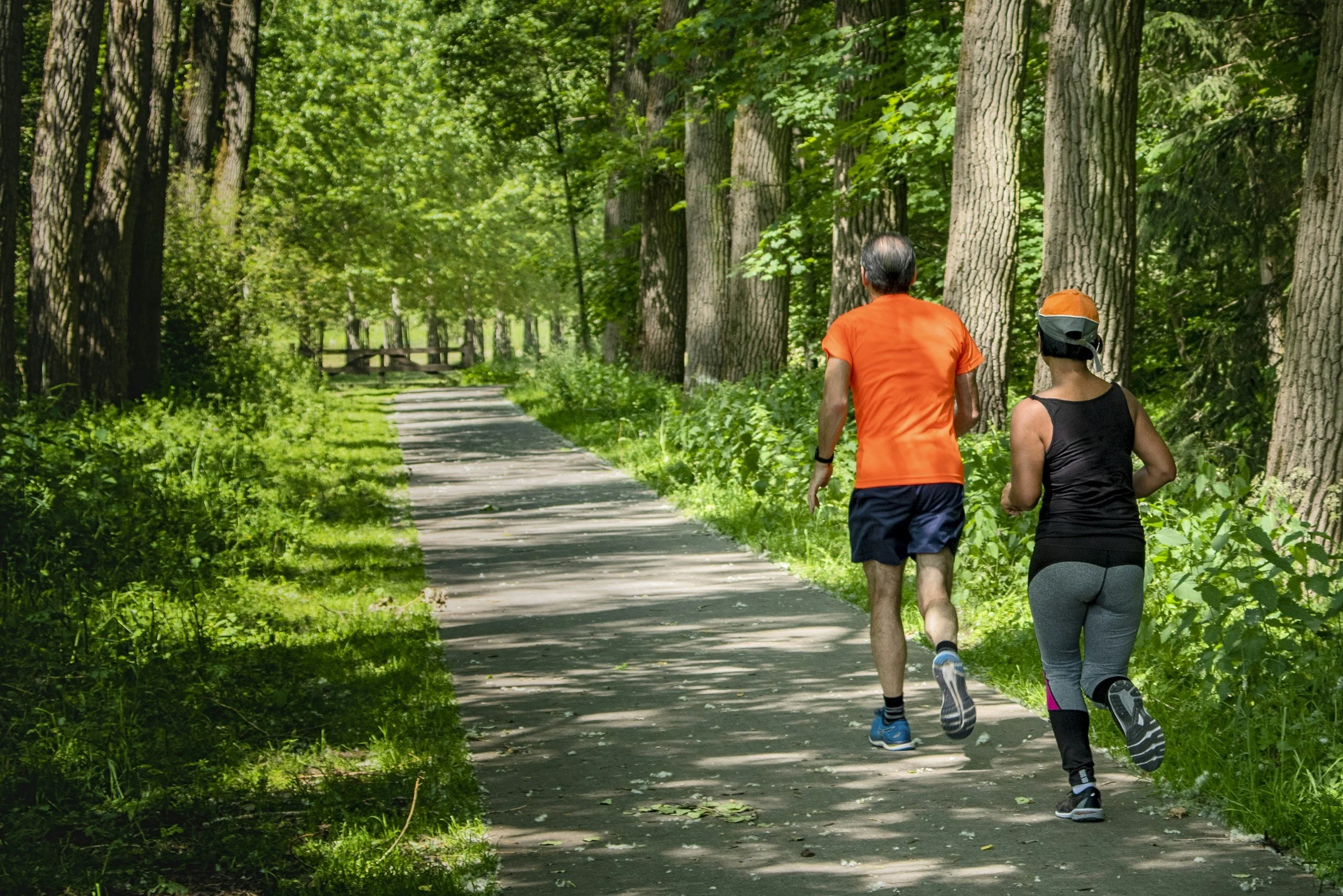
Cardiorespiratory fitness declines with age if we stay sedentary. Regular aerobic exercise (brisk walking, cycling, swimming, etc.) improves VO₂ max, lowers blood pressure, enhances endothelial function and reduces arterial stiffness. Long-term exercisers show cardiovascular profiles closer to those of much younger people. Meeting or exceeding the recommended 150 minutes of moderate-intensity aerobic activity per week is strongly linked to lower risk of heart disease, stroke and cardiovascular mortality.
A stronger, more efficient heart and more flexible blood vessels are key markers of healthy ageing.
4. Regular exercise helps to prevent brain ageing
The brain benefits enormously from movement. Aerobic exercise increases blood flow, raises levels of brain-derived neurotrophic factor (BDNF), supports hippocampal volume and improves connectivity. Large observational studies and meta-analyses link higher physical activity and better cardiorespiratory fitness with lower risk of cognitive decline, dementia and Alzheimer’s disease — even when follow-up periods are long.
Exercise is one of the few lifestyle factors shown to help keep the brain younger for longer.
5. Strength training retains bone density and health
Bones respond to the mechanical loading of resistance and weight-bearing exercise by becoming denser and stronger. Progressive resistance training has been shown to improve or maintain bone mineral density at the hip and spine in older adults, particularly postmenopausal women. Combined programmes that include both resistance and impact or weight-bearing elements tend to produce the best results.
Stronger bones reduce fracture risk and help maintain posture and confidence.
6. Regular movement maintains independence
Functional ability — the capacity to walk, climb stairs, get out of a chair, carry shopping and manage daily life — declines with inactivity. Structured exercise programmes improve strength, mobility, balance and gait speed. Landmark trials such as the LIFE study have shown that regular moderate activity reduces the amount of time older adults spend with major mobility disability and helps them recover more quickly if disability occurs.
Staying independent is one of the biggest quality-of-life goals of healthy ageing, and exercise is central to achieving it.
7. Stretching keeps connective and muscle tissues healthy
With age, muscles and connective tissues (tendons, fascia, ligaments) tend to stiffen and lose elasticity. Regular stretching improves range of motion, reduces tissue hardness and increases stretch tolerance. Longer-term static stretching programmes in older adults increase joint range of motion and can produce favourable changes in musculotendinous stiffness.
Better flexibility supports better movement quality, reduces injury risk and makes everyday tasks more comfortable.
8. Regular exercise helps to prevent diabetes
Type 2 diabetes risk rises with age, largely due to declining insulin sensitivity and increasing body fat. Both aerobic and resistance exercise improve glucose control, insulin sensitivity and body composition. Large meta-analyses show that higher levels of physical activity are associated with substantially lower risk of developing type 2 diabetes, and structured exercise programmes improve HbA1c, fasting glucose and other markers in people with, or at risk of, the condition.
Preventing or better managing diabetes removes a major accelerator of ageing across multiple systems.
9. Group exercise is sociable, preventing loneliness
Loneliness and social isolation are increasingly recognised as significant health risks in later life, linked to higher rates of depression, cognitive decline and even mortality. Group-based exercise provides regular social contact, shared purpose and a sense of belonging. Studies of community exercise classes for older adults have shown measurable reductions in loneliness and improvements in social connectedness.
The social side of training is not a “nice-to-have” — it is a genuine anti-ageing factor.
Putting it all together
The most effective approach is a balanced one: strength training two to three times a week, regular aerobic activity, some balance and mobility work, and stretching. You do not need to train like an athlete. Consistency matters far more than perfection.

At AdMac Fitness we specialise in helping people of all ages build sustainable, evidence-based training programmes that support long-term health and independence. Whether you are new to exercise or looking to refine what you already do, our personal trainers in Bow and South Woodford can guide you.
If you would like help getting started or progressing, get in touch on 07921 465108 or email admacfitness@gmail.com. We look forward to hearing from you.