
There's a strange irony sitting at the heart of modern fitness culture. We've never had more data about our bodies, more apps tracking our every rep, and more wearables nudging us towards "optimal" performance — yet burnout, exhaustion and a quiet resentment towards exercise seem to be creeping up right alongside it.
If you've ever felt a flicker of guilt for missing a step goal, or found yourself more anxious about your recovery score than how you actually feel, you're not alone. And it turns out, you're not imagining the problem either.
When Helpful Becomes Harmful
Fitness trackers and apps were designed to motivate us. For a lot of people, they genuinely do. But researchers at Newcastle University Business School have found that the very features designed to keep us engaged — constant quantification, gamified streaks, social comparison — can tip over into something far less helpful.
Their work points to a recurring pattern: when people don't hit their numbers, the guilt and anxiety that follows often pushes them towards excessive exercise or overly restrictive eating, simply to "fix" the data rather than to feel better.
That distinction matters enormously. Once you're training to make a graph look right, rather than because it makes you feel good, something important has shifted.
This isn't a fringe issue either. A large-scale meta-analysis examining orthorexia nervosa — an unhealthy preoccupation with "correct" or "clean" eating — found that over half of people in regular exercising populations showed signs of it. Similarly, research into CrossFit athletes has linked high personal standards and self-directed perfectionism with a greater risk of both exercise dependence and orthorexic patterns.
The drive to be "disciplined" can quietly curdle into something far more rigid and joyless.
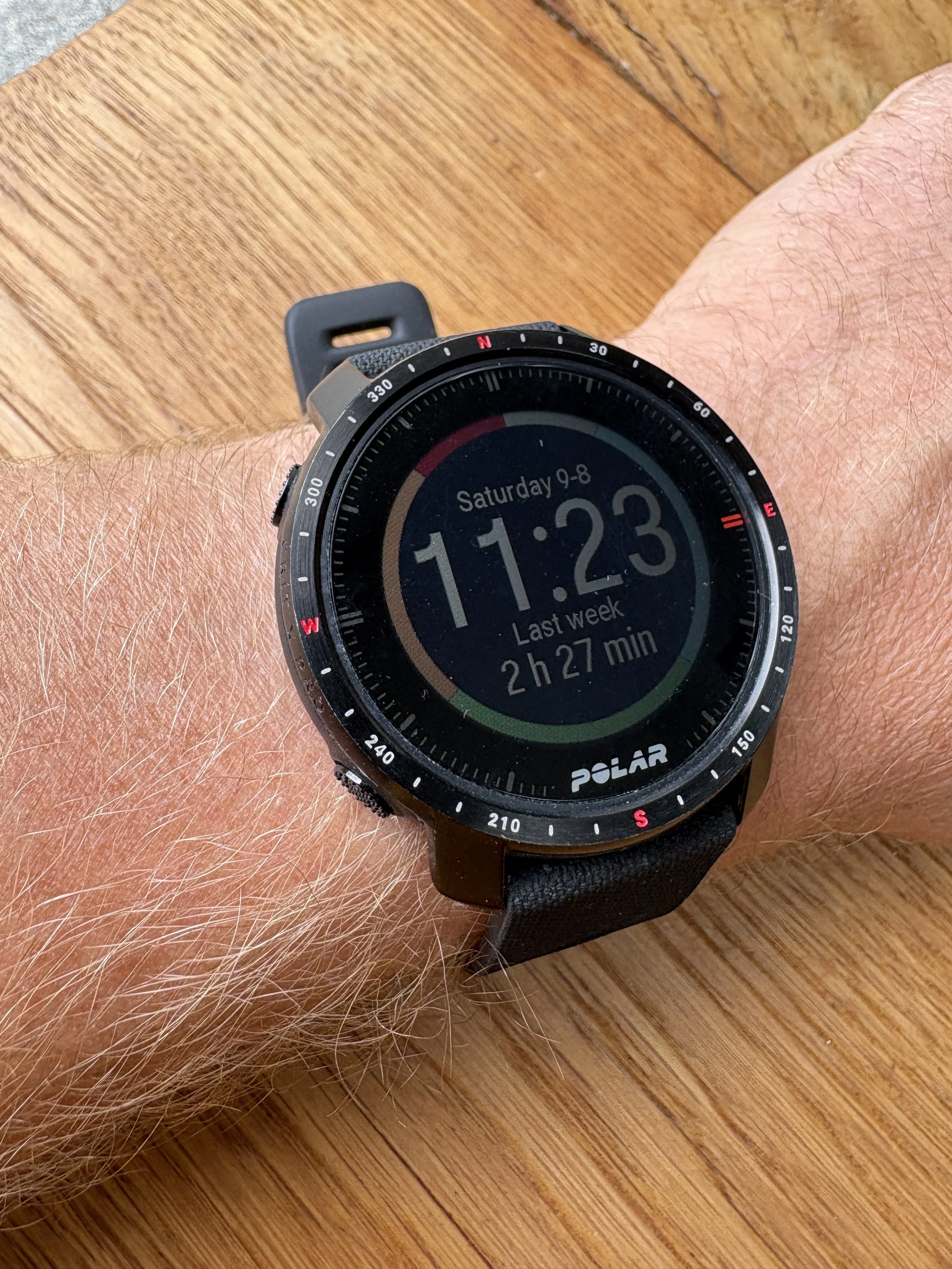
The Body Keeps the Score (Whether You Track It or Not)
There's also a well-documented physiological side to this. Overtraining syndrome — pushing the body without adequate recovery — is estimated to cause burnout in roughly 1 in 10 athletes, showing up as low mood, dented confidence, and even depression.
It's not a sign of weakness or lack of willpower. It's the nervous system sending up a flare that the demands placed on it have outstripped its ability to recover.
The tricky part is that overtraining doesn't always look like "doing too much" from the outside. Often it looks like doing the same intense thing, day after day, without ever pressing pause — exactly the pattern that constant tracking can quietly encourage, because the data never tells you to rest. It only tells you whether you hit the number.
Why Watching the Numbers Can Make You Enjoy It Less
Here's the bit that surprises most people: tracking can actually dampen how much you enjoy moving in the first place. A widely cited study split participants into two groups going for a walk — one wearing a normal pedometer, the other wearing a pedometer with the display covered up. The group who could see their step count walked further, but enjoyed it noticeably less than the group who couldn't see the numbers at all.
The researchers called this the "hidden cost of personal quantification" — and it's been replicated well beyond walking.
Put simply: the moment movement becomes a performance metric, it can quietly stop being something you do for yourself, and start being something you do for the number.
What You SHOULD Be Paying Attention to…
Smart watches have some very useful features. Here are the ones that are worth paying attention to…
Heart rate data - it’s a great real-time measure of workout intensity. It’ll allow you to increase or decrease your intensity level depending on the workout and the goals.
Calorie burn information - even if it’s not perfectly accurate, it’s a useful guide of activity in a day or workout. If you’re consistently hitting good numbers, it means you’re being pretty active.
General activity data - a day is 24 hours long. Even if you train really hard for an hour, if the other 23 aren’t conducive to a healthy lifestyle, your progress will stall. Keep an eye on your activity data, to ensure you’re moving enough generally.
Outside of this, the data becomes more nuanced. Fueling strategies, sleep monitoring, recovery status, etc aren’t accurate enough to be taken seriously, unless you’ve got great tech. Don’t get worried about data that isn’t always accurate.
Go with how you feel.
So, What's the Alternative? (Not Throwing the Watch in the Bin)
None of this means tracking or goal-setting is inherently bad — far from it. Used well, data can be brilliant for spotting genuine progress and building consistency. The issue isn't the tool. It's when the tool becomes the whole relationship you have with your training.
This is exactly where having a real coach in your corner makes such a difference. A good trainer isn't reading a single data point in isolation — they're reading you. They notice when your form is dropping because you're genuinely fatigued, not just having an "off" session. They know the difference between pushing you towards a breakthrough and pushing you towards burnout. And they'll happily tell you to take a recovery day even if your app is begging you for one more streak.
At AdMac Fitness, that's the whole philosophy behind personal training. Programmes are built around how you're actually responding — not just what a wearable says you should be doing. Progress gets measured in how you move, how you feel, and how sustainable your habits are, not just in calories burned or PRs chased.
The Real Marker of Fitness
If extreme optimisation has taught us anything, it's that more data isn't automatically more health. Sometimes the fittest thing you can do is close the app, listen to your body, and trust a coach who's actually watching you — not just your numbers.
If you'd like training that's built around you rather than a spreadsheet, our team at AdMac in Bow and South Woodford would love to help you find that balance. Get in touch to book a consultation.
Want to improve your health and fitness? Let the AdMac Fitness Personal Trainers help…
AdMac Fitness has been helping the people of East London transform their health and fitness for nearly a decade.
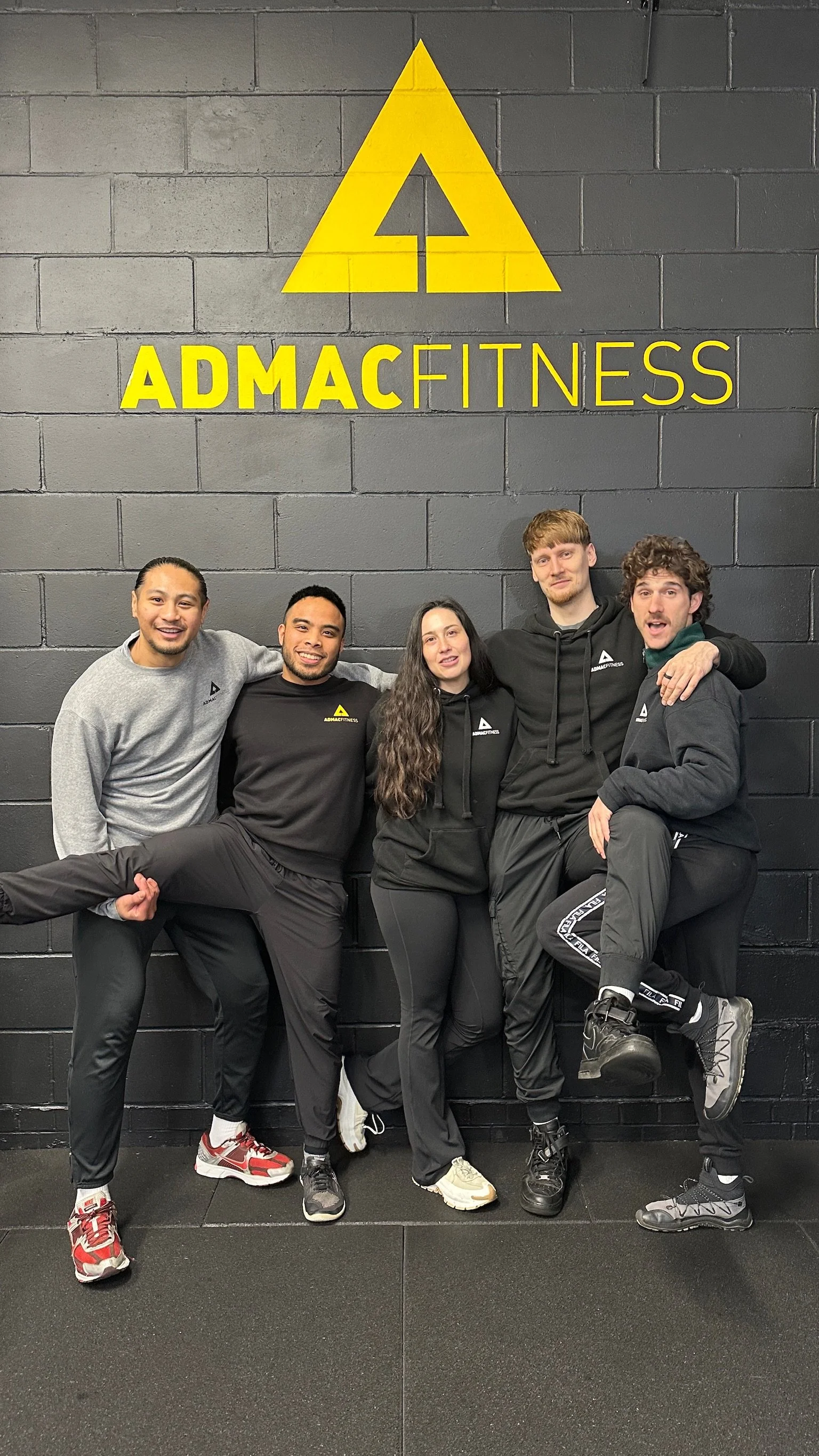
We help people using tried and tested fitness approaches. Our expert team of personal trainers, based in both Bow and South Woodford, can help you get a grip of your health forever. With our guidance and experience, you can relax knowing that your fitness journey is going to be guided by some of the best personal trainers in East London.
For more information on who we are, what we do and how we can help you achieve your health and fitness goals, contact us on… 07921465108 or email us at admacfitness@gmail.com. We look forward to hearing from you!
Our locations are…
AdMac Fitness: Arch 457 Robeson St, London E3 4JA
AdMac Fitness South Woodford: Unit 4 Marlborough Business Centre, 96 George Lane, South Woodford, London, E18 1AD