
Walk around any health food shops, supplement shops and supermarkets, and you would have seen electrolytes. They come in various forms - drinks, powders and tablets - all promising better hydration, improved performance and faster recovery.
Marketed as ‘sports drinks’ to catch people who don’t really know much about nutrition, they’re just one of the myriad of products that hook people in with a promise of performance improvement.
The question is, do you actually need them?

The answer, as with many things in nutrition, is: it depends.
For some people, electrolyte supplementation can be genuinely beneficial. For others, it’s little more than an expensive way of flavouring water.
Let’s look at what electrolytes are, what they do, and whether they deserve a place in your nutrition plan.
What Are Electrolytes?
Electrolytes are minerals that carry an electrical charge when dissolved in water. The main electrolytes found in the human body include:
Sodium
Potassium
Magnesium
Calcium
Chloride
These minerals play a vital role in:
Fluid balance
Nerve signalling
Muscle contractions
Blood pressure regulation
Maintaining normal cellular function
Without adequate electrolyte levels, your body simply cannot function properly. This is especially true when you’re training hard, racing hard or are exerting yourself in challenging conditions - particularly hot environments.
When people talk about “taking electrolytes”, they’re usually referring to increasing sodium intake alongside smaller amounts of potassium, magnesium and other minerals.
How Do We Lose Electrolytes?
The primary route of electrolyte loss during exercise is through sweat.
Sweat contains varying amounts of sodium and chloride, with smaller quantities of potassium, calcium and magnesium. The exact amount lost varies significantly between individuals, with some people losing two or three times more sodium than others during the same workout. The American College of Sports Medicine notes that sweat rates and sweat sodium losses differ substantially between individuals, making hydration requirements highly personalised. (PubMed)
Factors that increase electrolyte losses include:
Long training sessions
Hot weather
High humidity
Naturally high sweat rates
“Salty sweaters” who notice white salt marks on clothing
This is where electrolyte supplementation can become useful.

Do Electrolytes Improve Hydration?
This is one of the biggest claims made by electrolyte brands.
The science suggests there is some truth to it.
Sodium helps the body retain fluid and can improve fluid absorption compared with plain water alone in certain circumstances. A large systematic review published in Sports Medicine found that drinks containing electrolytes can improve the maintenance of plasma volume during prolonged exercise compared with water alone. (Springer)
However, context matters.
If you’re sitting at a desk, going for a short walk or completing a 45-minute gym session in a cool environment, plain water is usually more than adequate.
For most healthy adults eating a balanced diet, daily food intake already provides sufficient electrolytes to maintain normal hydration status. (ScienceDirect)
When Electrolytes Make Sense
There are several situations where electrolyte supplementation may be beneficial.
Endurance Exercise
If you’re exercising continuously for 90 minutes or more, particularly in warm conditions, electrolyte replacement becomes increasingly relevant.
Long-distance runners, cyclists, triathletes and footballers completing multiple sessions per day often lose substantial amounts of sodium through sweat. In these situations, replacing both fluid and sodium can help maintain performance and reduce the risk of excessive dehydration. (PubMed)
Hot Weather Training
Even relatively short sessions can result in significant sweat losses when temperatures rise.
If you’re training outdoors during a heatwave or heading abroad for a summer holiday, electrolyte drinks may help maintain hydration more effectively than water alone. (ScienceDirect)
Multiple Daily Training Sessions
Athletes completing two or more demanding sessions per day have less time to recover between workouts.
Electrolyte-containing drinks can support faster rehydration, particularly when combined with adequate carbohydrate intake. (PubMed)
Illness
Vomiting, diarrhoea and excessive sweating from illness can rapidly deplete both fluids and electrolytes.
This is one scenario where electrolyte replacement is often far more important than during a typical gym workout.
When You Probably Don’t Need Them
Despite the marketing, many people are unlikely to benefit significantly from electrolyte supplements.
You probably don’t need them if:
Your workouts last less than an hour
You train in moderate temperatures
You’re eating a varied diet
You’re generally healthy
You’re not losing large amounts of sweat
For the average gym-goer completing a weights session or fitness class, drinking water and consuming a balanced diet will usually provide everything needed for hydration and recovery. (ScienceDirect)
Can You Have Too Many Electrolytes?
Potentially, yes.
Electrolytes are essential, but more is not always better.
Many modern electrolyte products contain large amounts of sodium. While this may be appropriate for endurance athletes or heavy sweaters, it may be unnecessary for someone who spends most of the day sedentary.
Excessive electrolyte intake can contribute to fluid imbalances and may be inappropriate for individuals with certain medical conditions, particularly those affecting the kidneys, heart or blood pressure. (Verywell Health)
It’s also worth remembering that many sports drinks contain substantial amounts of sugar, which may or may not fit your nutritional goals.
Practical Recommendations
For most people, a sensible approach would be:
Your workout lasts under 60 minutes
Conditions are moderate
You’re eating a balanced diet
You’re not a particularly heavy sweater
Consider Electrolytes If:
Training exceeds 90 minutes
You’re exercising in hot conditions
You sweat heavily
You’re completing endurance events
You’re training multiple times per day
You’re recovering from illness involving fluid loss
The Bottom Line
Electrolytes aren’t magic, and they won’t magically give you a performance boost - you need to have trained properly!
They’re not essential for every workout, and they’re certainly not a shortcut to better health or performance.
For most people, water and a nutritious diet will provide everything needed to stay hydrated.
However, if you’re exercising for long periods, training in the heat or losing significant amounts of sweat, electrolyte supplementation can be a useful tool to support hydration and performance.
Like most supplements, the key question isn’t whether electrolytes work.
It’s whether you actually need them.
Want to improve your health and fitness? Let the AdMac Fitness Personal Trainers help…
AdMac Fitness has been helping the people of East London transform their health and fitness for nearly a decade.
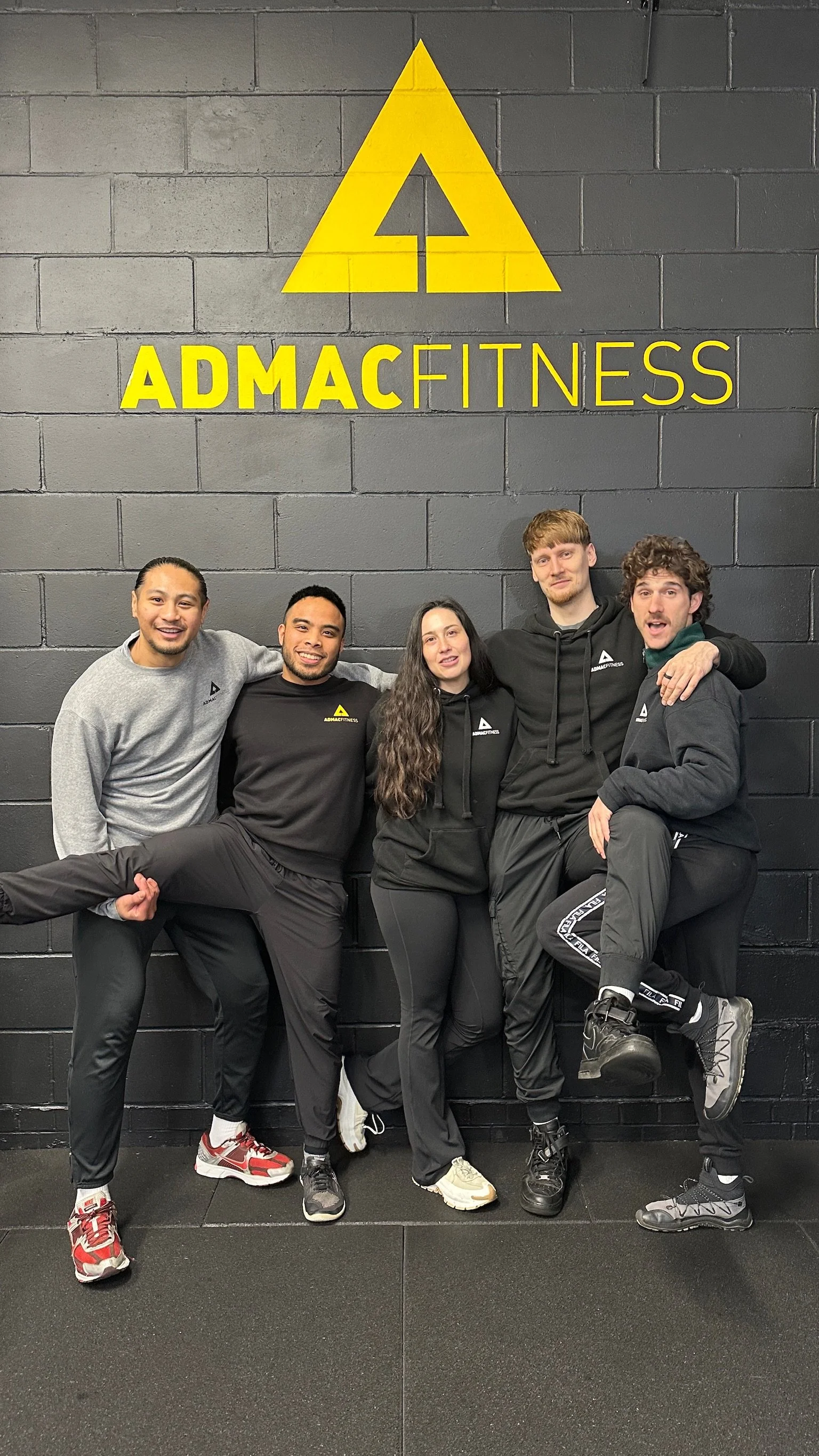
We help people using tried and tested fitness approaches. Our expert team of personal trainers, based in both Bow and South Woodford, can help you get a grip of your health forever. With our guidance and experience, you can relax knowing that your fitness journey is going to be guided by some of the best personal trainers in East London.
For more information on who we are, what we do and how we can help you achieve your health and fitness goals, contact us on… 07921465108 or email us at admacfitness@gmail.com. We look forward to hearing from you!
Our locations are…
AdMac Fitness: Arch 457 Robeson St, London E3 4JA
AdMac Fitness South Woodford: Unit 4 Marlborough Business Centre, 96 George Lane, South Woodford, London, E18 1AD