
Cold plunges, ice baths, saunas, contrast showers — recovery has become as talked-about as training itself. But when it comes to genuinely evidence-backed benefits, hot and cold therapies aren't interchangeable, and they don't do the same job. Understanding what each one actually does to your body helps you use them properly, rather than just because a fitness influencer told you to.
At AdMac Fitness, recovery is something we build into every client's programme, not just an afterthought. Here's what the science says about heat and cold recovery, with a particular focus on why we rate the traditional sauna so highly.

Cold Therapy: What It Actually Does
Cold water immersion (CWI), commonly known as ice baths, works primarily through vasoconstriction — narrowing your blood vessels to reduce blood flow, swelling, and local tissue temperature. This slows nerve conduction, which is part of why it has a genuine numbing, pain-relieving effect.
A large systematic review and meta-analysis of 52 randomised controlled trials found that cold water immersion significantly improved muscular power at 24 hours following both eccentric and high-intensity exercise, and reduced serum creatine kinase, delayed onset muscle soreness (DOMS), and perceived fatigue compared with passive rest. You can read the full analysis in this summary of the Sports Medicine review.
A more recent network meta-analysis looking specifically at dosing found that medium-duration, low-to-moderate temperature immersions (10–15 minutes at 5–15°C) tended to produce the best results for reducing muscle soreness and preserving jump performance after exercise-induced muscle damage. You can view the full study in this Frontiers in Physiology paper.
The important caveat with cold
Here's where it gets nuanced. If your goal is to build muscle, cold immersion straight after resistance training may work against you. A landmark study published in The Journal of Physiology found that regular post-exercise cold water immersion attenuated increases in quadriceps muscle mass after 12 weeks of strength training, compared with active recovery, and blunted the cellular signalling pathways responsible for muscle protein synthesis.
You can read the full study here.
In short: cold therapy is a genuinely useful tool for short-term soreness relief and rapid turnaround between competitive events, but routinely icing straight after a strength session may blunt the very adaptations you're training for.
Hot Therapy: Why We Rate the Traditional Sauna So Highly
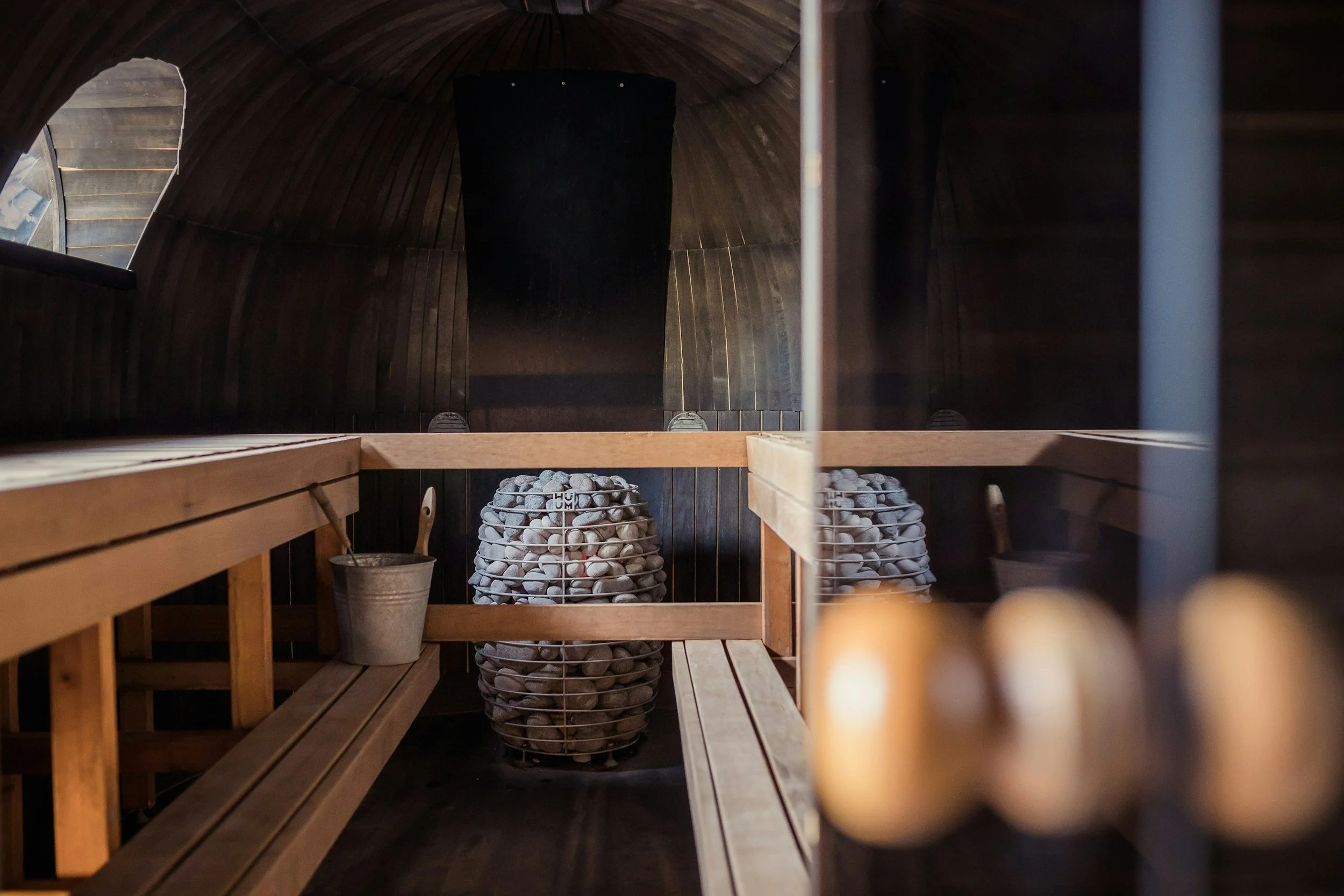
This is where the evidence gets genuinely compelling, and it's why we're specifically talking about the traditional sauna here — a hot, dry (or low-humidity) heated room, typically 80–100°C, rather than the lower-heat infrared cabins that work through a different mechanism entirely.
Long-term cardiovascular and longevity benefits
The most robust evidence for sauna use comes from Finland, where regular sauna bathing is part of everyday life. A landmark prospective cohort study following over 2,300 middle-aged men found that those who used a sauna four to seven times a week had a 63% lower risk of sudden cardiac death and a 50% lower risk of fatal cardiovascular disease compared with those who used a sauna only once a week.
You can read the original study, published in JAMA Internal Medicine, summarised in this breakdown here.
A follow-up prospective cohort study extending these findings to both men and women found cardiovascular mortality rates of just 2.7 per 1,000 person-years among those using a sauna four to seven times weekly, compared with 10.1 per 1,000 person-years among once-weekly users. You can read the full paper in BMC Medicine here.
Sauna and muscle recovery
Traditional sauna use also appears to support recovery through a genuinely different mechanism to cold: heat shock proteins (HSPs). When core body temperature rises during a sauna session, cells upregulate production of HSP70, a molecular chaperone that helps refold damaged proteins, reduce inflammation, and protect muscle tissue from exercise-induced damage.
A study examining twelve sessions of high-temperature sauna bathing in healthy young men found that heat stress activates the Akt/mTOR signalling pathway, which regulates muscle protein synthesis, and may support muscle mass maintenance alongside resistance training. You can read the full study in this PMC-published paper here.
Crucially, unlike cold water immersion, there's no equivalent evidence that traditional sauna use blunts muscle hypertrophy signalling. If your goal is both recovery and long-term muscle growth, that makes it a fundamentally different tool to reach for than an ice bath.
Other benefits worth knowing
Beyond cardiovascular health and recovery, regular Finnish sauna bathing has also been associated with a lower risk of stroke and a reduced risk of dementia and Alzheimer's disease in middle-aged men, according to further analyses of the same Finnish cohort data. A comprehensive review of the accumulated evidence is available in this 2025 review.
So, Hot or Cold?
The honest answer is: it depends what you're trying to achieve.
Choose cold if you need rapid short-term relief from soreness, have a competition or event in the next day or two, or are managing acute swelling. Be cautious about using it immediately after a strength session if hypertrophy is your priority.
Choose heat, specifically a traditional sauna, if you're after long-term cardiovascular health benefits, general recovery support through heat shock protein activation, and a recovery method that doesn't appear to interfere with muscle-building adaptations. The evidence base here, built on decades of Finnish cohort data, is some of the strongest in the entire recovery science field.
Avoid combining them carelessly. Using an ice bath immediately after a heavy strength session, purely out of habit, may be working against your own training goals. If in doubt, save the cold plunge for a separate day or a lower-priority session.
Want to improve your health and fitness? Let the AdMac Fitness Personal Trainers help…
AdMac Fitness has been helping the people of East London transform their health and fitness for nearly a decade.
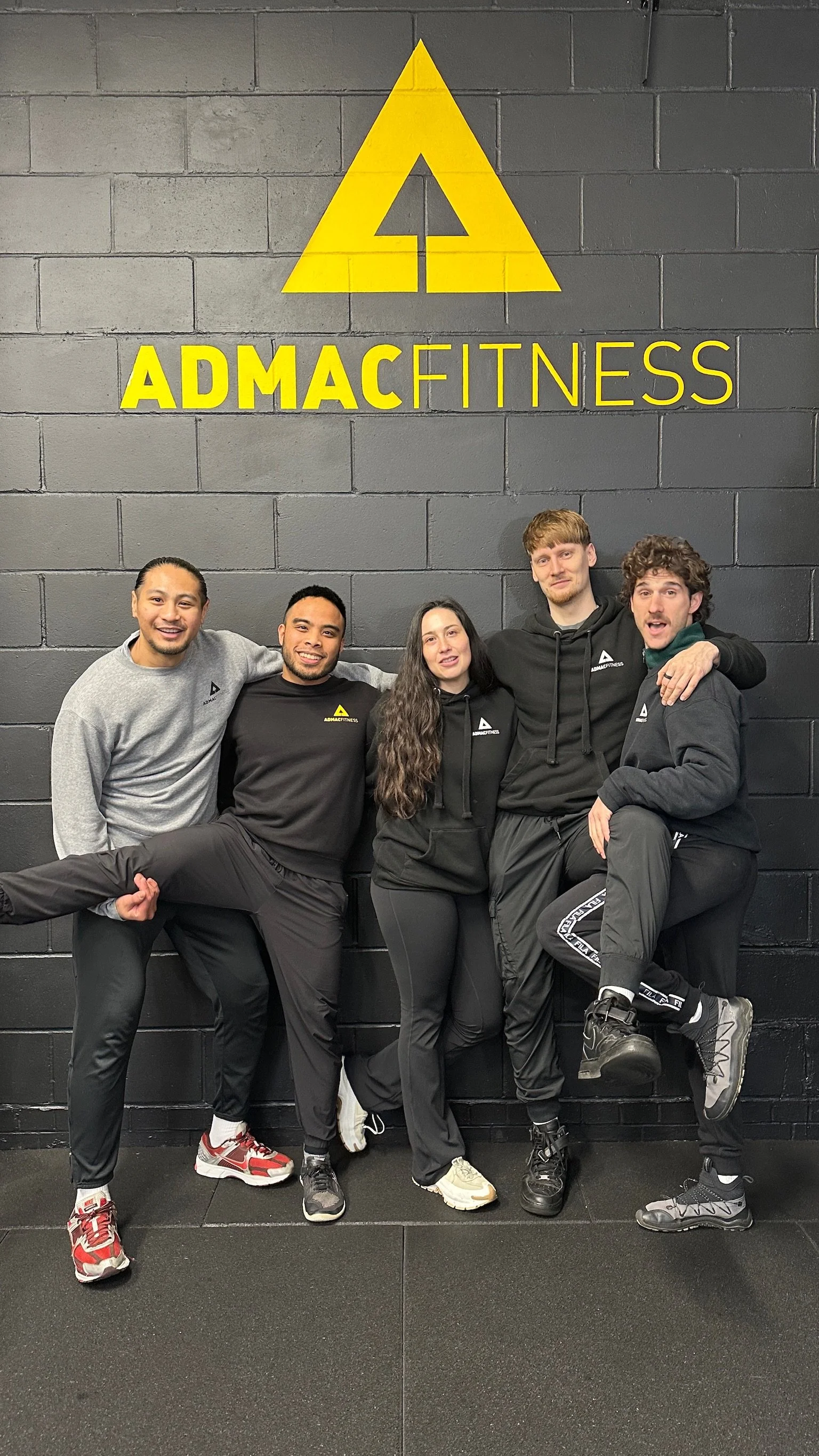
We help people using tried and tested fitness approaches. Our expert team of personal trainers, based in both Bow and South Woodford, can help you get a grip on your health forever. With our guidance and experience, you can relax knowing that your fitness journey is going to be guided by some of the best personal trainers in East London.
For more information on who we are, what we do and how we can help you achieve your health and fitness goals, contact us on… 07921465108 or email us at admacfitness@gmail.com. We look forward to hearing from you!
Our locations are…
AdMac Fitness: Arch 457 Robeson St, London E3 4JA
AdMac Fitness South Woodford: Unit 4 Marlborough Business Centre, 96 George Lane, South Woodford, London, E18 1AD