
Turning 40 doesn't mean your training has to grind to a halt, but it does mean it's worth being a little more thoughtful about how you get there.
The good news is that the fundamentals of good training don't change with age: what you do should still be driven by your goals, whether that's building muscle, improving your 5k time, or simply staying capable enough to keep up with your kids (or grandkids). What does change is the context around those goals - specifically, how well your body recovers, and which physical qualities are most worth protecting as the years go on.
Your Goals Still Come First
It's tempting to assume that turning 40 means switching wholesale to "gentler" training, but that's not quite right. If your goal is to build strength or muscle, you still need to lift heavy enough, often enough, to create a meaningful stimulus. If your goal is fat loss, you still need an appropriate calorie deficit and enough training volume to preserve muscle while you're in it. Age shifts how you pursue a goal - not whether the goal itself is still valid.
Where age genuinely matters is in your capacity to absorb and recover from that training, and in which underlying qualities (strength, mobility, cardiovascular fitness) start to need more deliberate attention rather than happening as a side effect of just "being active."
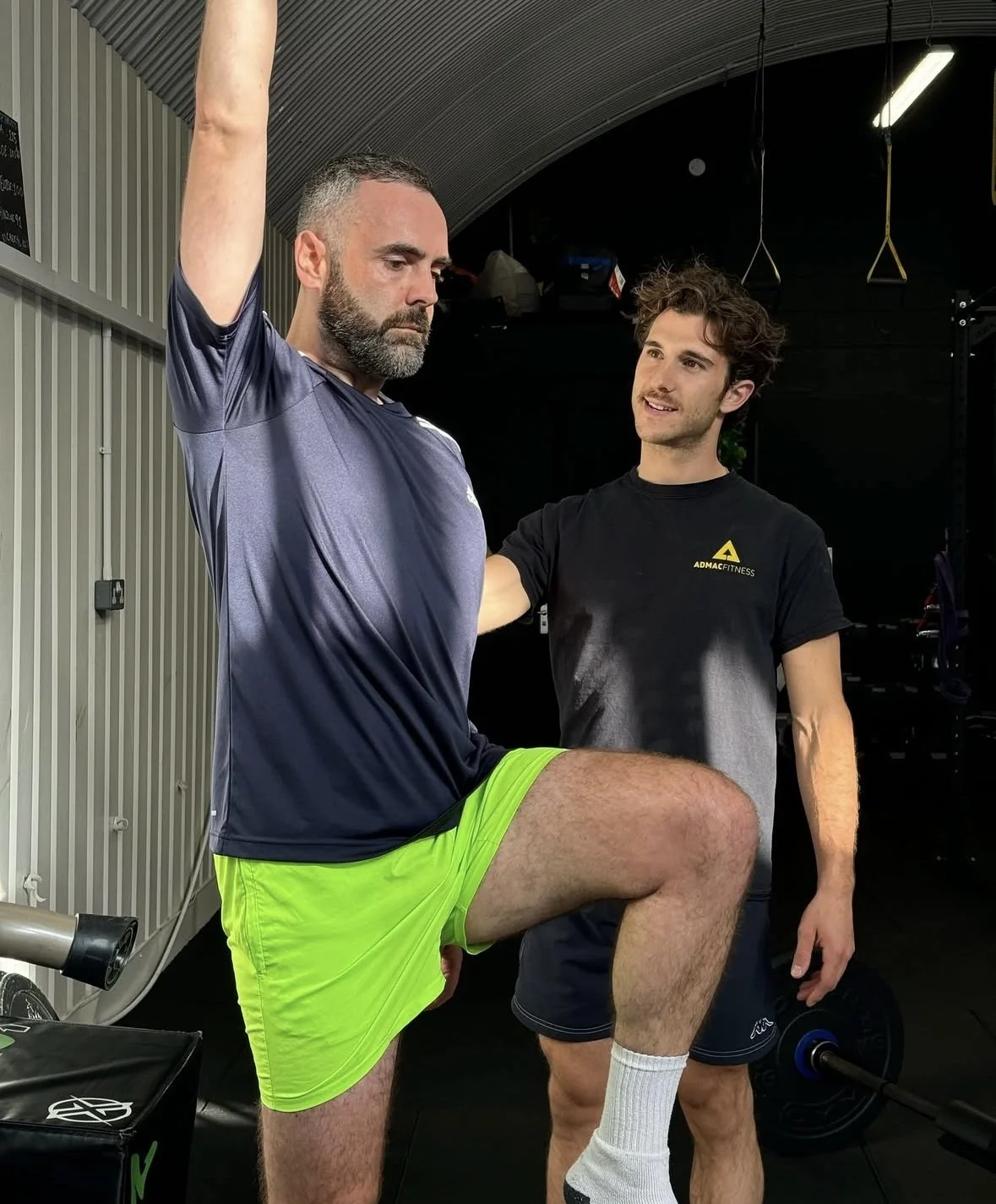
Respecting a Reduced Recovery Capacity
This is the biggest genuine shift after 40. Research shows that muscle protein synthesis - the process your body uses to repair and build muscle tissue after exercise - becomes both slower and less responsive with age, a phenomenon researchers call "anabolic resistance." Older adults undergoing resistance exercise show a delayed muscle protein synthesis response compared with younger adults, even when nutrition and training stimulus are matched.
It's not just about muscle repair, either. Studies on recovery from disuse - whether that's an injury, illness, or just a heavier-than-usual training block - show that older individuals often fail to fully regain pre-disuse levels of muscle mass, strength and function compared with younger people recovering from the same setback. In practical terms, this means the training mistakes that a 25-year-old can shrug off - back-to-back heavy sessions, skipped rest days, chronic under-sleeping - tend to catch up with you faster and take longer to unwind after 40.
None of this means training less hard. It means training a little smarter: building in genuine rest days, avoiding constant training-to-failure across every session, and giving old injuries or niggles the attention they need rather than pushing through them. A programme that respects recovery capacity isn't a weaker programme - it's simply one that's sustainable for another 40 years.
Maintaining Strength: Non-Negotiable, Not Optional
If there's one quality worth prioritising above all others as you move through your 40s, 50s and beyond, it's strength. Muscle mass and strength decline progressively with age - by some estimates, skeletal muscle loss runs at 3-8% per decade after the age of 40, with the rate accelerating sharply after 65. Left unaddressed, this is the process behind sarcopenia, and it's directly linked to falls, frailty and loss of independence later in life.
The reassuring part is that resistance training remains remarkably effective at slowing, halting, or even reversing this decline at any age. A 2025 systematic review of 24 randomised controlled trials found that structured resistance training significantly improved handgrip strength, gait speed and knee extension strength in older adults - outcomes that translate directly into everyday function, not just numbers on a barbell. The takeaway for anyone over 40: resistance training isn't just for aesthetics or performance, it's one of the most protective things you can do for your long-term physical independence.
Keeping Your Range of Movement
Flexibility and joint range of motion quietly decline with age too, and it's one of the more overlooked casualties of getting older and busier. Research indicates that flexibility in the major joints decreases by around 6 degrees per decade after the age of 55, with the posterior chain - hips, hamstrings, lower back - typically affected the most. Reduced range of motion isn't just an inconvenience; it's been linked to an increased risk of falls in older adults.
The encouraging finding here is that this is highly trainable at any age. A systematic review of flexibility training in older adults found that structured stretching interventions were consistently effective at improving joint range of motion and associated functional outcomes. Building in dedicated mobility work - whether that's a proper warm-up, dynamic stretching, or dedicated mobility sessions - deserves the same intentionality as your strength and cardio work, rather than being an afterthought squeezed in at the end of a session.
Protecting Your Cardio Capacity
Cardiovascular fitness, typically measured as VO2 max, declines with age too - and the data on why it matters is compelling. Long-term cohort research has found that cardiorespiratory fitness in midlife is strongly associated with long-term mortality risk, with each unit increase in VO2 max linked to meaningfully greater longevity over decades of follow-up. Other research following people over 11 years found that a decline in cardiorespiratory fitness over time was independently associated with increased all-cause mortality risk, even after adjusting for other health factors.
The encouraging side of this evidence is that cardiovascular decline isn't inevitable or fixed - fitness lost through inactivity can largely be regained through consistent training, and studies of masters athletes show that maintained training volume is one of the strongest predictors of how well cardiorespiratory fitness holds up with age. Whether that's steady-state cardio, intervals, or simply staying consistently active, this is a quality worth protecting deliberately rather than assuming it'll take care of itself.
Bringing It Together
Training over 40 isn't about doing less - it's about training with more intention. Your goals should still set the direction, but a smart programme now respects a genuine reduction in recovery capacity, and deliberately protects the three pillars that matter most for long-term health and function: strength, range of movement, and cardiovascular fitness.
Get those right, and there's no reason your 40s, 50s and beyond can't be some of the strongest, fittest years of your life.
At AdMac Fitness, our coaches at our Bow and South Woodford studios specialise in building training programmes that work with your body, not against it - whatever decade you're in. If you're ready to train smarter as you get older, get in touch and let's build a programme around your goals and your recovery capacity.
Want to improve your health and fitness? Let the AdMac Fitness Personal Trainers help…
AdMac Fitness has been helping the people of East London transform their health and fitness for nearly a decade.
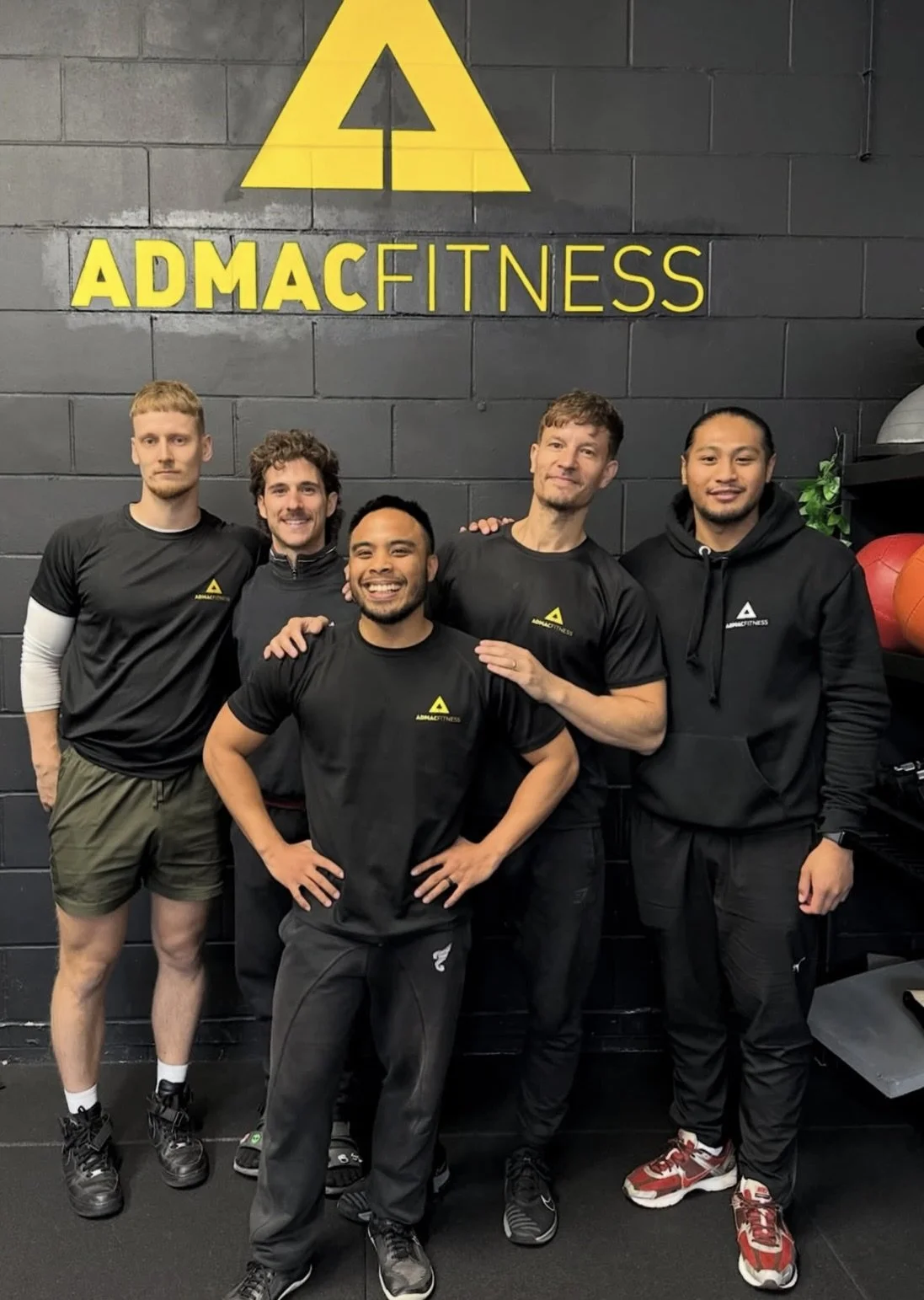
We help people using tried and tested fitness approaches. Our expert team of personal trainers, based in both Bow and South Woodford, can help you get a grip of your health forever. With our guidance and experience, you can relax knowing that your fitness journey is going to be guided by some of the best personal trainers in East London.
For more information on who we are, what we do and how we can help you achieve your health and fitness goals, contact us on… 07921465108 or email us at admacfitness@gmail.com. We look forward to hearing from you!
Our locations are…
AdMac Fitness: Arch 457 Robeson St, London E3 4JA
AdMac Fitness South Woodford: Unit 4 Marlborough Business Centre, 96 George Lane, South Woodford, London, E18 1AD