
Walk down any supermarket aisle and you'll see the word "natural" plastered across boxes of biscuits, cereal bars, and crisps. It's easy to lose sight of what actually counts as a whole food, and why it matters so much for your health, your energy, and your results in the gym.
At AdMac Fitness, nutrition conversations come up in almost every training session we run across our Bow and South Woodford studios. So let's cut through the marketing noise and look at what whole foods really are, what the research says about them, and how you can start weaving more of them into your week.
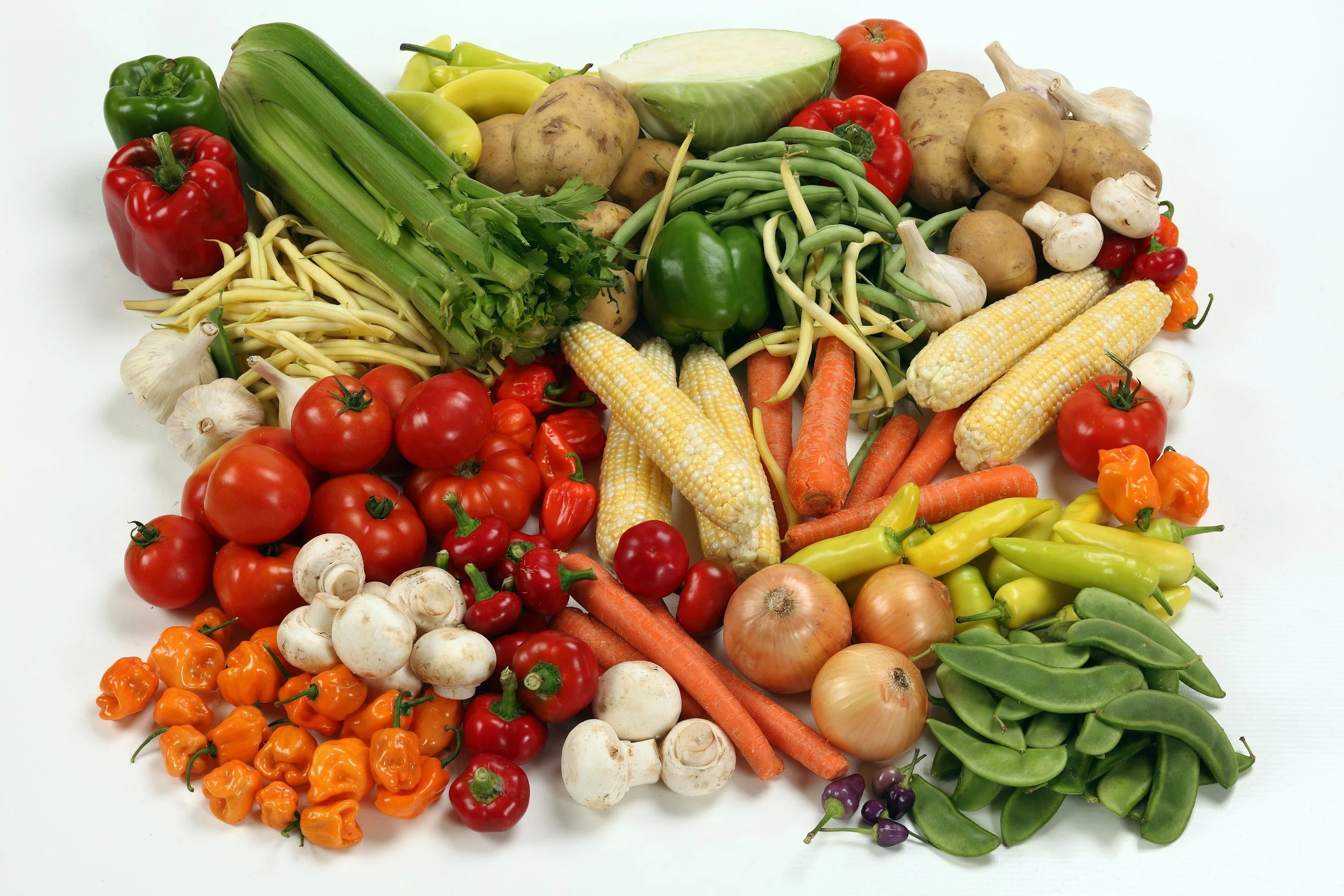
What Actually Is a Whole Food?
A whole food is, in the simplest terms, a food that's close to its natural state. Think a chicken breast, a bag of spinach, a punnet of blueberries, or a handful of oats. It hasn't been stripped of its fibre, pumped full of preservatives, or reconstructed from isolated ingredients in a factory.
The easiest way to understand whole foods is to compare them against their opposite: ultra-processed foods (UPFs). Researchers classify foods using something called the NOVA system, which sorts them into four groups ranging from unprocessed or minimally processed foods (fruit, vegetables, meat, eggs, grains) through to ultra-processed products, which typically contain ingredients you wouldn't find in a home kitchen, such as hydrogenated oils, protein isolates, emulsifiers, and flavour enhancers.
A useful rule of thumb: if a product has a long ingredients list full of things you don't recognise, or if it's been engineered to be shelf-stable and irresistibly moreish, it's probably a long way from whole.
Common examples of whole foods include:
Vegetables and fruit (fresh, frozen, or dried without added sugar)
Whole grains such as oats, brown rice, and quinoa
Legumes including lentils, chickpeas, and beans
Nuts and seeds
Lean meat, poultry, fish, and eggs
Plain dairy such as natural yoghurt and milk
Why Whole Foods Are Good For You
1. They're linked to a lower risk of chronic disease
This is where the science gets compelling. A major dose-response meta-analysis covering 95 studies found that reductions in the risk of cardiovascular disease and all-cause mortality continued up to an intake of 800g of fruit and vegetables a day, while the reduction in cancer risk levelled off above 600g a day. You can read the full study in the International Journal of Epidemiology here.
A separate analysis of nearly two million participants found that eating around five servings of fruit and vegetables a day was linked to the lowest mortality risk, after which the benefit began to plateau. That's roughly two pieces of fruit and three portions of veg, which is well within reach for most of us. Full details are available in this Circulation journal paper.
2. Whole grains protect your heart
Whole grains, unlike their refined counterparts, keep the fibre-rich bran and nutrient-dense germ intact. A large meta-analysis pooling data from over 786,000 participants found that high whole grain intake was associated with a 16% reduction in total mortality and an 18% reduction in cardiovascular disease mortality compared with low intake. You can view the full paper in Circulation here.
3. Fibre from whole foods reduces mortality risk across the board
An updated systematic review covering more than 3.5 million people found that higher total dietary fibre intake was linked to a 23% lower risk of all-cause mortality, a 26% lower risk of cardiovascular mortality, and a 22% lower risk of cancer mortality, with fibre from whole grains, cereals, and vegetables driving much of this effect. Read more in this Clinical Nutrition study.
4. Ultra-processed foods appear to override your appetite signals
Perhaps the most striking evidence comes from a randomised controlled trial run at the NIH Clinical Centre, where 20 adults spent two weeks eating an ultra-processed diet and two weeks eating an unprocessed, whole food diet, with both matched for calories, sugar, fat, and fibre. The result: participants spontaneously ate around 500 extra kilocalories a day on the ultra-processed diet, driven by higher carbohydrate and fat intake, and gained weight as a direct result. You can read the full study in Cell Metabolism here, or the NIH's own summary here.
This matters because it suggests whole foods aren't just "healthier" in an abstract sense; they may genuinely help regulate how much you eat without conscious effort, which is a huge advantage if body composition is one of your training goals.

5. The broader evidence base on ultra-processed food is hard to ignore
A 2024 umbrella review published in the BMJ, pooling multiple meta-analyses, concluded that greater exposure to ultra-processed food was associated with a higher risk of adverse health outcomes, particularly cardiometabolic disease, common mental health disorders, and mortality. You can find the full review on PubMed here.
How to Bring More Whole Foods Into Your Diet
You don't need to overhaul everything overnight. Small, sustainable swaps tend to stick far better than an all-or-nothing approach. Some practical starting points:
Swap breakfast cereal for porridge oats topped with berries and a spoon of natural yoghurt.
Batch-cook a big pot of lentil or bean stew at the weekend, so a whole food option is always the easy option midweek.
Keep a bag of frozen vegetables on hand — they're picked and frozen at peak ripeness, so nutritionally they hold up very well against fresh.
Choose whole fruit over fruit juice or smoothies where possible, since you keep the fibre that slows sugar absorption.
Swap white rice or pasta for wholegrain or brown versions a few nights a week.
Snack on nuts, seeds, or fruit instead of packaged snack bars, even the ones marketed as "natural" or "protein-packed."
Read the ingredients list, not just the front of the pack — fewer, more recognisable ingredients is generally a good sign.
None of this requires perfection. Even shifting two or three meals a week towards whole foods, consistently, will move the needle on energy levels, recovery, and long-term health.
The AdMac Approach
Nutrition doesn't exist in isolation from training, and it's why our personal trainers at Bow and South Woodford take the time to understand what you're actually eating day to day, not just what happens in the gym. Whole foods give your body the raw materials it needs to recover from training, build lean muscle, and sustain the kind of energy levels that make consistency possible.
Want to improve your health and fitness? Let the AdMac Fitness Personal Trainers help…
AdMac Fitness has been helping the people of East London transform their health and fitness for nearly a decade.

We help people using tried and tested fitness approaches. Our expert team of personal trainers, based in both Bow and South Woodford, can help you get a grip on your health forever. With our guidance and experience, you can relax knowing that your fitness journey is going to be guided by some of the best personal trainers in East London.
For more information on who we are, what we do and how we can help you achieve your health and fitness goals, contact us on… 07921465108 or email us at admacfitness@gmail.com. We look forward to hearing from you!
Our locations are…
AdMac Fitness: Arch 457 Robeson St, London E3 4JA
AdMac Fitness South Woodford: Unit 4 Marlborough Business Centre, 96 George Lane, South Woodford, London, E18 1AD