
Walk into most gyms and you'll see the same pattern repeat itself: the runner who only runs, the lifter who only lifts, the class-goer who only ever does the same class.
It's understandable — we naturally gravitate towards what we're good at and what we enjoy. But unless you're training for a specific event, like a marathon or a powerlifting meet, narrowing your training down to one lane is one of the most common ways people quietly limit their own fitness.
Fitness isn't one thing. It's a collection of different qualities — strength, power, endurance, mobility, balance, coordination — and each one develops (and fades) somewhat independently of the others. Training only one of them means the rest are left to stagnate, no matter how hard you work at your chosen discipline.
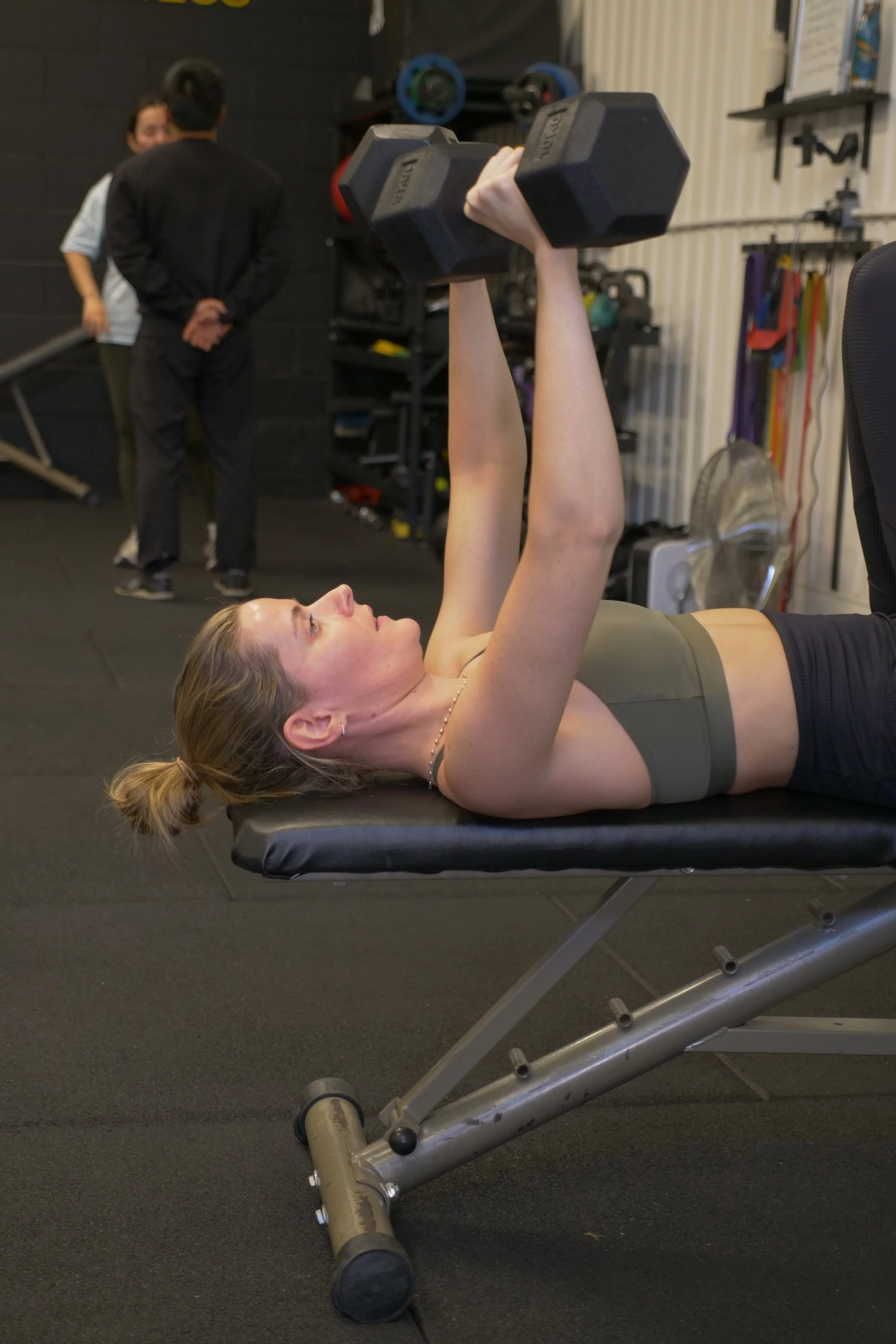
Looking Fit vs Being Functionally Fit
There's an important distinction between how a body looks and how it actually performs, and it's easy to conflate the two.
Aesthetic training — the kind most associated with bodybuilding-style programmes — is built around visible muscle groups, symmetry and definition. It's a perfectly valid goal, and it can absolutely coexist with genuine capability. But on its own, it doesn't guarantee much about how your body actually functions day to day.
It's entirely possible to have visible muscle definition while still dealing with poor mobility, weak stabilising muscles, limited balance, or a cardiovascular system that leaves you out of breath on the stairs.
Functional fitness, by contrast, is about how well your body performs under real-world conditions — carrying shopping, playing with your kids, getting up off the floor without thinking about it, sprinting for a bus without pulling something.
It prioritises multi-joint, compound movement patterns and a broader base of capability over isolated muscle development.
Neither approach is "better" in isolation, and the two aren't mutually exclusive — training for performance very often improves how you look as a natural side effect. But if your training is built entirely around aesthetics, functional capacity can quietly fall through the cracks. The reverse is rarely true to the same degree.
Why Variety Matters
Whilst there’s no ‘one size fits all’ training approach, it’s important to tick plenty of boxes if you’re looking for a genuine, rounded health and fitness improvement. Here are a few additional reasons why it’s best to train in different ways…
It reduces overuse injury risk
Repeating the same movement patterns, at the same joints, week after week, is one of the more reliable ways to develop an overuse injury. This is well documented in youth sport: athletes who specialise in a single sport from an early age show a meaningfully higher risk of overuse injury than those who play multiple sports, partly because repeated exposure to only one set of movement patterns can create muscular imbalances that don't get corrected by anything else in the training week.
The same logic applies to adults training in the gym — a body that only ever squats, or only ever runs, is loading the same structures in the same way, over and over.
It builds broader physical resilience
Research into multi-sport athletes has found improved lower-limb coordination and better performance in strength and agility testing compared with single-sport specialists, suggesting that exposure to a wider range of movement demands builds a more robust, adaptable body overall.
It keeps you training for longer
Repetitive strain, plateaued motivation, and boredom are among the most common reasons people stop training altogether. Mixing things up keeps both the body and the mind more engaged, which matters more for long-term consistency than any single "optimal" programme.
It covers your blind spots
Every training style has a gap. Pure strength training tends to neglect cardiovascular capacity. Pure cardio tends to neglect strength and power. Neither, on their own, typically addresses mobility or balance in any meaningful way. A varied approach means the gaps in one discipline get picked up somewhere else in your week.
It builds a more complete athlete — even if you're not one
You don't need to be competing in anything for this to matter. A body that's strong, mobile, powerful and has a solid aerobic base is simply more capable, in every context, than one that's excellent at only one of those things.

What a Varied Training Week Might Look Like
Variety doesn't mean doing everything, all the time, with no structure — it means making sure the different elements of fitness all get genuine attention across your week or training cycle. A simple example might look like:
Two strength sessions — compound, multi-joint lifts (squats, deadlifts, presses, rows) to build a broad base of strength.
One power or explosive session — anything from kettlebell swings and medicine ball throws to sprint intervals or jump work, developing the ability to produce force quickly.
One or two cardio sessions — a mix of steady-state work (such as Zone 2 training) and something higher intensity, to build both an aerobic base and top-end capacity.
Regular mobility work — even 10–15 minutes built into the end of a session, focused on the joints and movements your other training doesn't address.
Something you simply enjoy — a sport, a class, a walk with the dog. Movement that doesn't feel like "training" still counts, and it protects your long-term relationship with exercise.
None of this needs to be rigid. The principle matters more than the exact split: over the course of a few weeks, your training should be touching strength, power, cardio and mobility, rather than living entirely in one of those boxes.
The AdMac Fitness Approach
Unless a client has a specific event on the calendar — a race, a competition, a particular performance goal — we build programmes around this same principle: train broadly, not narrowly. A body that's strong, mobile, powerful and aerobically fit will always outperform one that's excellent at only one of those qualities, both in the gym and in everyday life.
Looking fit is a nice bonus. Being functionally fit is what actually holds up when it matters.
Want to improve your health and fitness? Let the AdMac Fitness Personal Trainers help…
AdMac Fitness has been helping the people of East London transform their health and fitness for nearly a decade.
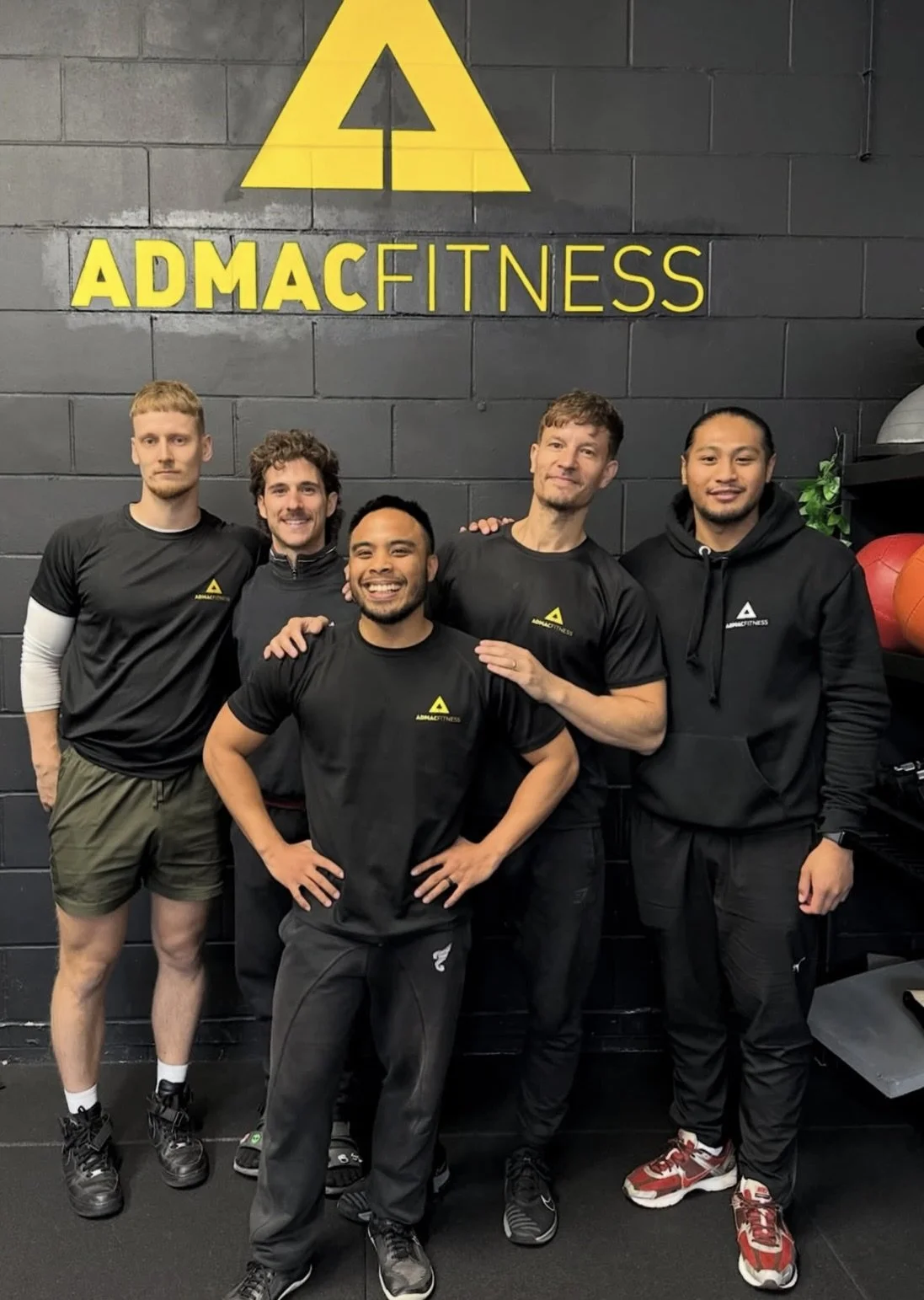
We help people using tried and tested fitness approaches. Our expert team of personal trainers, based in both Bow and South Woodford, can help you get a grip of your health forever. With our guidance and experience, you can relax knowing that your fitness journey is going to be guided by some of the best personal trainers in East London.
For more information on who we are, what we do and how we can help you achieve your health and fitness goals, contact us on… 07921465108 or email us at admacfitness@gmail.com. We look forward to hearing from you!
Our locations are…
AdMac Fitness: Arch 457 Robeson St, London E3 4JA
AdMac Fitness South Woodford: Unit 4 Marlborough Business Centre, 96 George Lane, South Woodford, London, E18 1AD